The Capital Efficiency Playbook: Optimizing Cash Flow and Overhead in Modern Fleet Operations
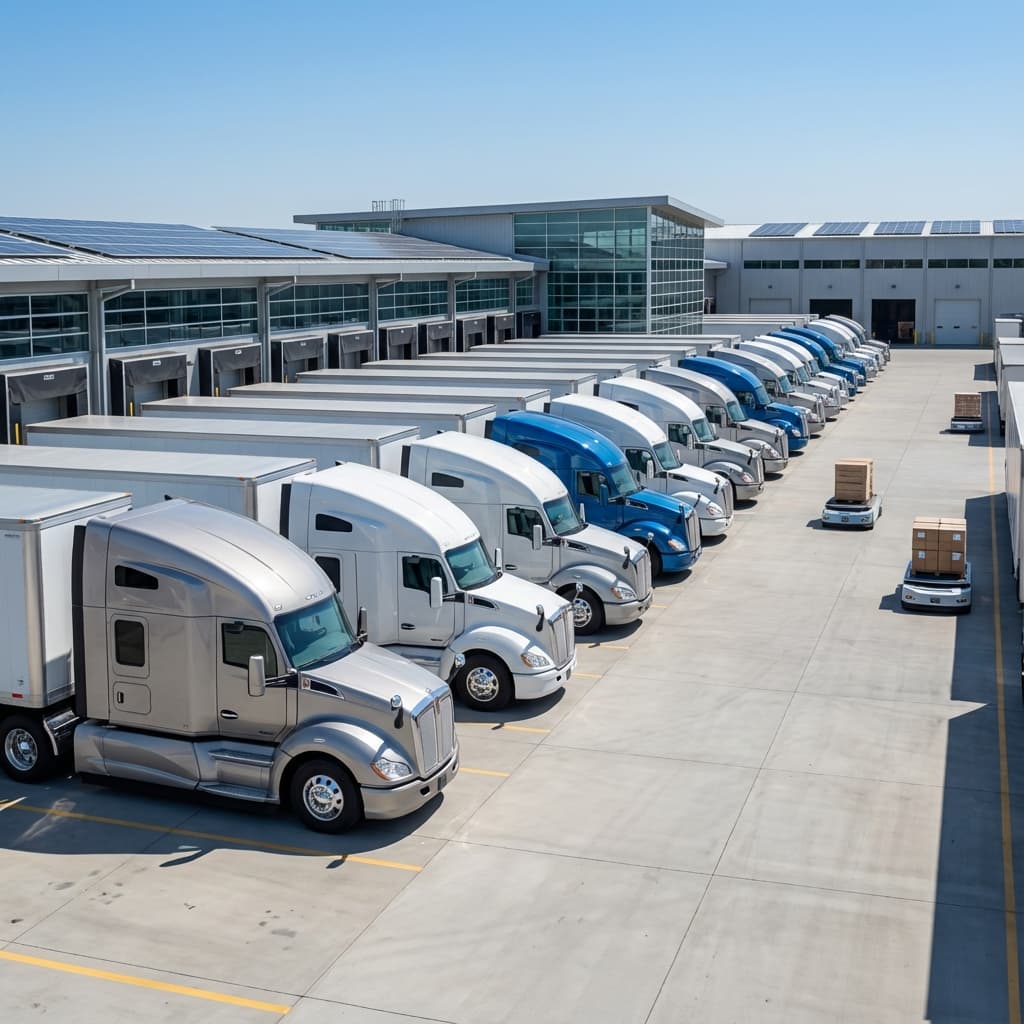
Navigating the Financial Realities of Modern Trucking
In the high-stakes world of motor carrier operations, growth is often mistaken for success. However, as an industry analyst, I’ve observed that the most resilient carriers aren’t necessarily those with the most trucks, but those with the most efficient capital cycles. In an environment of fluctuating diesel prices and tightening spot rates, operational efficiency is no longer a luxury—it is the bedrock of business survival.
The Administrative Friction Point: Accelerating the Cash Cycle
Many motor carriers lose a significant percentage of their potential margin in the gap between delivery and payment. Administrative friction—the time and labor spent on manual invoicing, document retrieval, and payment chasing—can cripple a fleet’s liquidity.
- Electronic Document Management: Transitioning to a fully digital POD (Proof of Delivery) system allows for immediate invoicing. For every day a load sits in 'pending' status, your business loses the opportunity cost of that capital.
- Strategic Factoring vs. Internal Collections: While factoring provides immediate liquidity, elite carriers conduct periodic cost-benefit analyses to determine if internalizing collections could reclaim 2-4% of their top-line revenue.
- Automated Fuel Surcharge Calculations: Accuracy in fuel surcharges is critical. Manual errors here often lead to under-billing or payment disputes that stall cash flow.
Right-Sizing Overhead: The Lean Fleet Model
Growth strategies often involve aggressive equipment acquisition, but over-leveraging can be a carrier’s downfall. A strategic approach to fleet management involves analyzing the Total Cost of Ownership (TCO) for every unit in the fleet.
Managing the Lifecycle of Assets
Maintaining an older fleet might seem cost-effective on paper due to lack of monthly payments, but the hidden costs—increased downtime, higher insurance premiums for older equipment, and decreased fuel efficiency—often outweigh the savings. Conversely, a new fleet brings heavy debt service. The 'sweet spot' for most successful mid-sized carriers is a staggered trade-in cycle that ensures no more than 20% of the fleet is out of warranty at any given time.
Operational Efficiency through Data-Driven Dispatch
Efficiency in the cab starts in the office. Dispatchers shouldn't just be 'filling trucks'; they should be managing yield. This requires a shift from looking at gross revenue per load to looking at net profit per day.
- Deadhead Minimization: Utilizing advanced routing software to reduce empty miles is the fastest way to increase profitability without increasing headcount.
- Dwell Time Reduction: Carriers must treat time as a finite resource. Analyzing telematics data to identify shippers with high detention times allows you to adjust rates or terminate unprofitable contracts.
- Driver Retention as a Financial Strategy: The cost of recruiting and training a new driver can exceed $8,000. Implementing retention programs based on operational transparency and fair pay structures is a direct investment in the company’s bottom line.
The Insurance Connection: Financial Stability and Risk
From an underwriting perspective, a carrier with clean financials and efficient operations is viewed as a lower risk. Companies that demonstrate a tight grip on their business operations—documented through clean safety scores and stable cash reserves—are often in a stronger position to negotiate better terms or higher deductibles, which can significantly lower annual fixed costs.
By focusing on the Capital Efficiency Playbook, motor carriers can build a business that doesn't just survive the cycles of the trucking industry but thrives within them. It requires a relentless focus on the 'boring' side of the business: the data, the documents, and the dollars.
Questions about
this topic?
Our specialists are ready to provide the personalized guidance you need for your specific situation.