The Capacity Optimization Playbook: Strategies for Sustainable Fleet Expansion and Operational Excellence
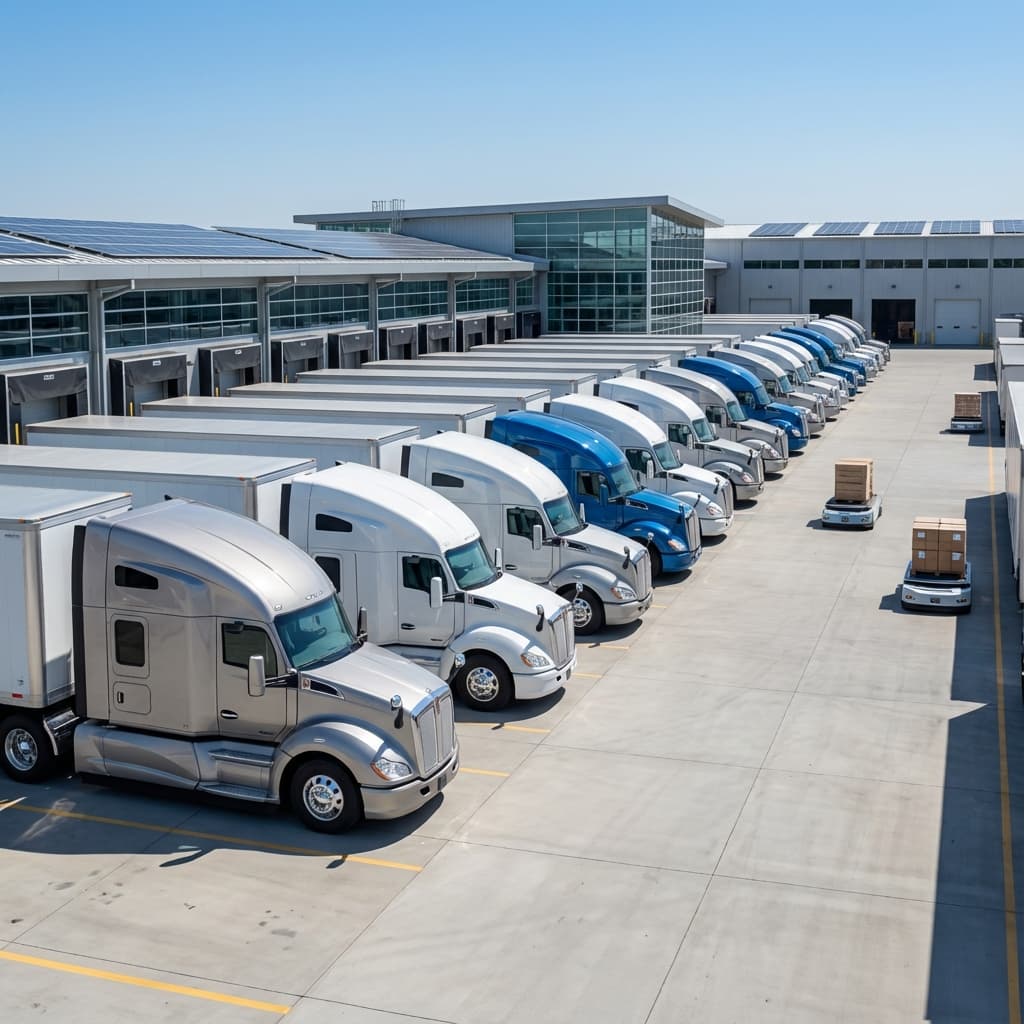
Mastering the Mechanics of Fleet Scalability
In the current freight environment, growth is often measured not just by the number of power units in a fleet, but by the efficiency with which those units are utilized. For motor carriers aiming to transition from a small family-run operation to a mid-sized enterprise, the challenge lies in maintaining operational excellence while increasing capacity. Capacity optimization is the strategic alignment of equipment, technology, and human capital to maximize revenue per mile while minimizing overhead.
1. Predictive Maintenance: The Foundation of Reliability
Operational efficiency begins before the truck ever leaves the yard. Unplanned downtime is one of the most significant drains on a carrier’s bottom line. Moving beyond reactive repairs to a predictive maintenance model allows carriers to identify potential failures before they result in roadside breakdowns. By leveraging telematics data—such as engine fault codes, fuel consumption patterns, and tire pressure monitoring—fleet managers can schedule service during natural downtime, ensuring that the fleet remains at peak capacity during high-demand cycles.
2. High-Velocity Dispatching and Load Selection
To achieve sustainable growth, carriers must move away from simply 'chasing the spot market' and toward a more disciplined load-selection strategy. Optimizing capacity means reducing deadhead miles and ensuring that every mile driven contributes to the company's margin. Key strategies include:
- Regional Density: Focus on specific corridors where you can maintain high equipment utilization and reliable backhauls.
- Triangulation: Planning routes in three-legged cycles to minimize empty miles and keep drivers moving toward high-paying headhaul markets.
- Shipper Diversification: Balancing a portfolio of direct shipper contracts with spot market flexibility to ensure consistent volume during seasonal shifts.
3. The Role of Integrated Telematics in Operational Oversight
Data is the new fuel for the trucking industry. Modern Electronic Logging Devices (ELDs) offer much more than mere hours-of-service compliance; they provide a window into the operational health of the business. Integrating telematics with a robust Transportation Management System (TMS) allows for real-time visibility into driver behavior, fuel efficiency, and route performance. This data enables fleet executives to make informed decisions about which lanes are underperforming and where operational bottlenecks—such as excessive detention times—are eroding profits.
4. Human Capital: Retention as an Efficiency Strategy
It is often said that the most expensive truck is the one sitting against the fence without a driver. Fleet expansion is impossible without a stable workforce. From a business operations perspective, driver retention is a cost-containment strategy. High turnover leads to increased recruitment costs, higher insurance premiums for inexperienced drivers, and disrupted service for shippers. Implementing a culture of transparency, offering competitive performance-based incentives, and utilizing driver feedback to optimize routes can significantly improve retention rates and operational stability.
5. Scaling Through Strategic Partnerships
Growth does not always require the immediate purchase of new equipment. Smart carriers leverage partnerships to expand their footprint. This might include interline agreements with other carriers or utilizing power-only opportunities to keep equipment moving. Additionally, maintaining a strong relationship with an insurance partner like United Lanes ensures that as your fleet grows, your risk management profile evolves in tandem, protecting your assets and your reputation in the marketplace.
Building for the Long Haul
Scaling a motor carrier requires a meticulous focus on the details that drive efficiency. By prioritizing predictive maintenance, data-driven load selection, and driver-centric operations, carriers can build a resilient business model capable of navigating any market cycle. At United Lanes Insurance, we understand that operational excellence is the first step toward long-term profitability and safety.
Questions about
this topic?
Our specialists are ready to provide the personalized guidance you need for your specific situation.