The Capacity Optimization Matrix: Strategically Scaling Your Fleet for Long-Term Market Stability
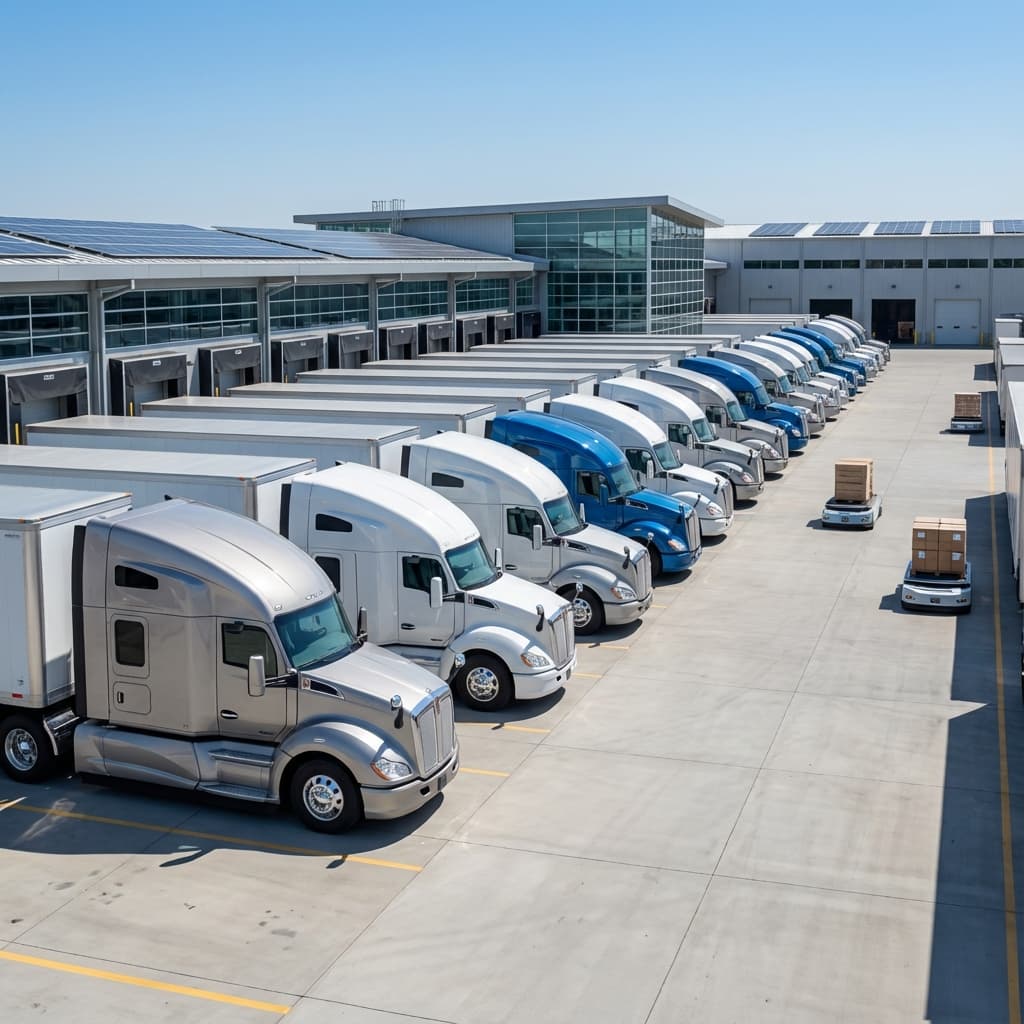
Navigating the Growth Paradox in Modern Trucking
For motor carriers, growth is often viewed as a linear progression: more trucks equals more revenue. However, seasoned industry veterans understand that expansion without a strategic framework—what we call the Capacity Optimization Matrix—can lead to operational overextension. In an industry where margins are thin and volatility is the only constant, scaling requires a disciplined approach to asset management and financial health.
The Strategic Balance: Asset Acquisition vs. Operational Load
The first quadrant of successful scaling involves determining how to add capacity. Many carriers fail by over-leveraging during peak market cycles, only to find themselves burdened with high-interest equipment debt when spot rates soften. To maintain stability, carriers should consider a blended approach to fleet expansion:
- Diversified Financing: Balance your fleet between owned assets, traditional financing, and flexible leasing. This protects your balance sheet against sudden market downturns.
- The Age-of-Fleet Benchmark: Maintain a staggered replacement cycle. A fleet with varied equipment ages ensures that maintenance costs are spread out, preventing a simultaneous 'repair spike' across your entire operation.
- Spec-ing for Efficiency: When scaling, focus on fuel-efficient specs and safety technology. These aren't just 'extra' costs; they are direct investments in reducing your cost-per-mile and long-term insurance premiums.
Driver-Centric Growth: The Human Element of Capacity
You cannot scale a fleet without a parallel strategy for human capital. Driver turnover is one of the most significant 'hidden' costs in business operations. A growth strategy that ignores driver retention is a leaky bucket. To optimize this pillar:
1. Professional Development Pathways
Create a clear career trajectory for your drivers. Carriers that offer specialized training (e.g., transitioning from dry van to hazmat or oversized loads) see higher retention rates. This not only keeps drivers engaged but also allows the carrier to bid on higher-margin freight.
2. The 'Safety First' Onboarding Culture
Rapid growth often leads to rushed hiring. However, one 'bad' hire can jeopardize your entire fleet's DOT safety rating. Implementing a rigorous, tech-enabled vetting process ensures that your expansion doesn't compromise your CSA scores, which are critical for securing favorable insurance rates and premium contracts.
Refining Operational Efficiency Through Technology
As your fleet grows, the complexity of managing it increases exponentially. Manual processes that worked for five trucks will fail at twenty. Professional motor carriers must leverage technology to maintain their competitive edge:
- Dynamic Maintenance Scheduling: Use telematics to move from reactive repairs to predictive maintenance. Reducing unplanned downtime by even 5% can have a massive impact on your annual bottom line.
- Automated Yield Analysis: Utilize Transportation Management Systems (TMS) to analyze which lanes and customers are providing the highest net profit after fuel, driver pay, and maintenance are factored in. Growth should be focused on these 'high-yield' areas rather than volume for volume's sake.
The Financial Guardrails: Protecting Your Expansion
Scaling requires a robust financial foundation. As your operation expands, so does your risk profile. United Lanes Insurance recommends that carriers maintain a 'liquidity buffer' equivalent to at least three months of operating expenses. This ensures that a single catastrophic claim or a temporary market dip doesn't halt your growth momentum.
Furthermore, ensure your insurance partner understands your growth trajectory. Proactive communication about new equipment, new routes, and upgraded safety protocols allows for a more accurate risk assessment, often resulting in more competitive premiums as you reach economies of scale.
Conclusion: Sustainable Growth is a Marathon
The transition from a small operation to a medium or large-scale fleet is a test of operational discipline. By focusing on the Capacity Optimization Matrix—balancing smart asset acquisition, driver retention, and technological integration—motor carriers can build a resilient business capable of thriving in any economic climate. Remember, the goal isn't just to be the biggest carrier on the road, but the most efficient and profitable one.
Questions about
this topic?
Our specialists are ready to provide the personalized guidance you need for your specific situation.