The Capacity Multiplier: Structuring Internal Operations for Sustainable Fleet Growth
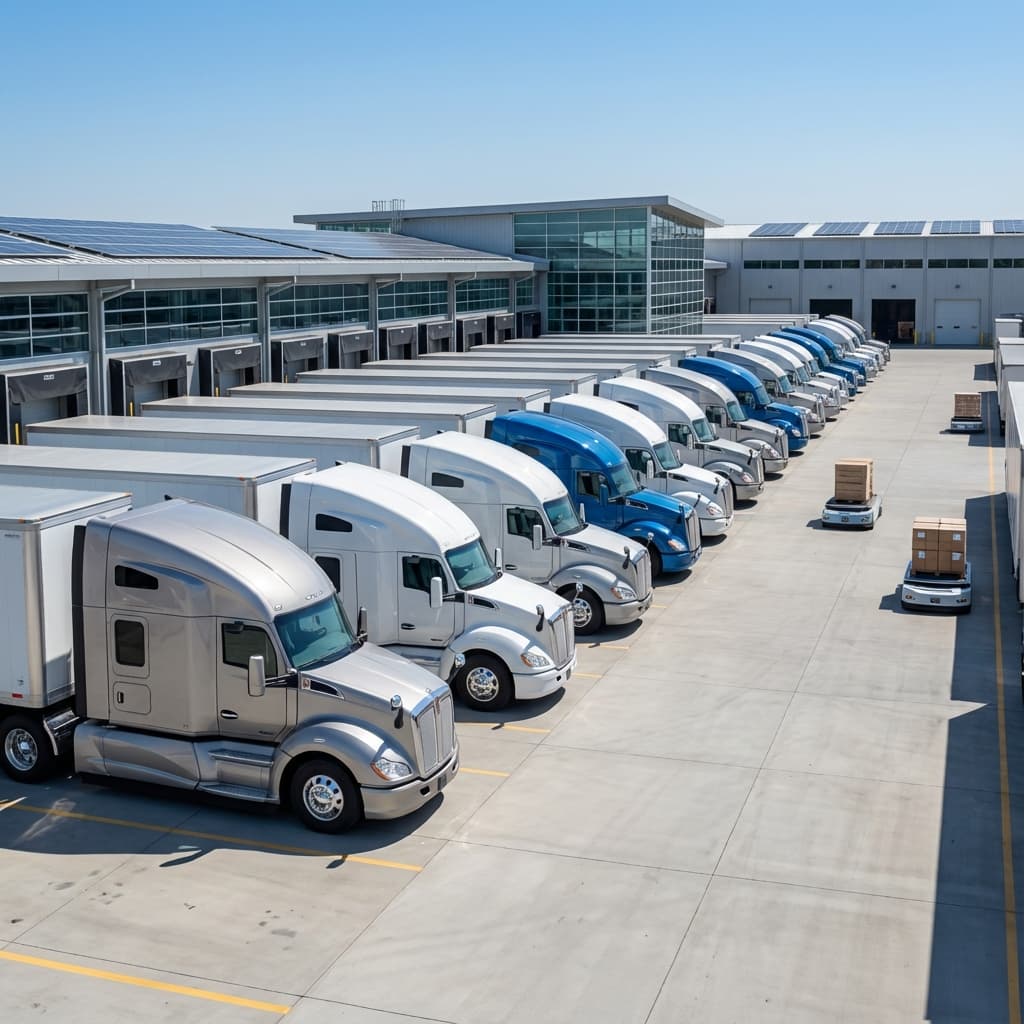
The Evolution from Operator to Executive
For many motor carriers, the transition from a single-truck operation to a multi-power unit fleet is the most precarious stage of business growth. The strategies that work for an owner-operator—personal grit, direct oversight of every load, and manual record-keeping—often become the very bottlenecks that prevent a company from scaling. To successfully expand, a carrier must transition from an operator mindset to an executive mindset, focusing on the systems that allow the business to run without constant owner intervention.
1. Building the Administrative Infrastructure
Scaling a fleet exponentially increases the administrative burden. Every additional truck adds layers of compliance, maintenance scheduling, payroll, and billing. Before adding physical assets, carriers must ensure their back-office infrastructure can handle the load. This involves:
- Standardized SOPs: Creating Standard Operating Procedures for everything from driver onboarding to freight claims resolution.
- Dedicated Dispatch vs. Load Boards: Shifting away from constant spot market hunting toward professional dispatching (internal or outsourced) that focuses on lane density.
- Centralized Documentation: Utilizing cloud-based document management to ensure that IRP, IFTA, and maintenance records are instantly accessible during audits or inspections.
2. Revenue Diversification: Moving Beyond the Spot Market
While the spot market can offer lucrative rates during capacity crunches, it is too volatile to support a growing fleet's fixed costs and debt service. Sustainable growth requires a diversified revenue portfolio. Leading carriers aim for a mix of:
- Contracted Lanes: Securing consistent volume from direct shippers to provide a baseline for cash flow.
- Dedicated Contracts: Positioning the fleet as a primary carrier for specific routes, allowing for predictable driver home time and fuel planning.
- Strategic Spot Participation: Using the spot market only to fill backhauls or capitalize on temporary market surges, rather than as a primary source of income.
3. The Financial Engineering of Fleet Expansion
Growth consumes cash. One of the most common reasons for carrier failure during expansion is "overtrading"—growing faster than the available working capital can support. To avoid this, operational efficiency must be viewed through a financial lens. Carriers should monitor their Operating Ratio (OR) closely. An OR of 85-90% provides the necessary cushion to reinvest in the business.
Furthermore, as the fleet grows, the method of financing equipment becomes a strategic lever. Choosing between FMV (Fair Market Value) leases and TRAC (Terminal Rental Adjustment Clause) leases can impact both your balance sheet and your tax liability. Managing these financial instruments is as critical to growth as finding the right freight.
4. Operational Efficiency Through Data Integrity
You cannot manage what you do not measure. For a growing carrier, the most important metrics move beyond simple revenue-per-mile. To achieve operational excellence, carriers must track:
- Deadhead Percentage: Every empty mile is a drain on the fleet’s profit margin and increases the cost-per-mile for the entire operation.
- Dwell Time: Monitoring detention at shipper and receiver facilities to identify "hidden" costs that disrupt driver schedules and HOS compliance.
- Maintenance Downtime: Shifting from reactive repairs to predictive maintenance to ensure maximum asset utilization.
5. The Insurance Implications of Scaling
As your fleet grows, your risk profile changes in the eyes of underwriters. A carrier with 20 trucks is viewed differently than one with three. Scaling provides an opportunity to move into alternative risk transfer programs, such as small-fleet captives or higher deductibles, which can significantly lower the total cost of risk. By demonstrating a structured operational framework, carriers can negotiate better terms, turning their business maturity into a competitive financial advantage.
Conclusion
Sustainable growth in the trucking industry is not achieved by accident. It is the result of a deliberate move toward operational maturity. By building a resilient administrative foundation, diversifying revenue, and mastering financial metrics, motor carriers can transform from small-scale operations into robust, scalable enterprises ready to weather any market cycle.
Questions about
this topic?
Our specialists are ready to provide the personalized guidance you need for your specific situation.