The Capacity Commander: Strategic Fleet Management for Sustainable Scaling and Operational Excellence
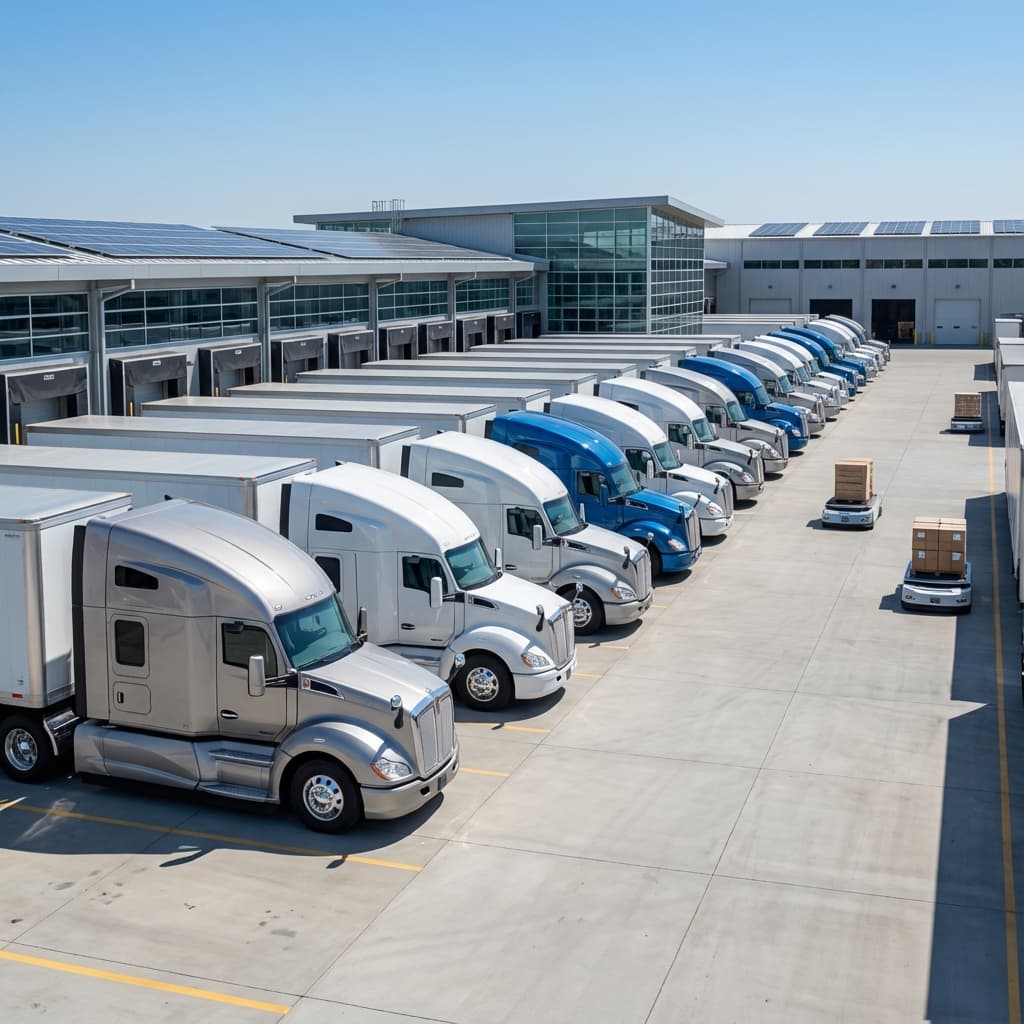
Beyond the Logbook: The Transition to Fleet Executive
In the early stages of a trucking business, the focus is often on survival—securing the next load and keeping the wheels turning. However, to transition from a small operation to a scalable enterprise, the leadership mindset must shift from reactive driving to proactive asset management. At United Lanes Insurance, we see firsthand how operational excellence directly correlates with business longevity and lower risk profiles.
The Right-Sizing Equation: Balancing Demand and Equipment
One of the most common mistakes in fleet growth is over-leveraging to acquire equipment during a market peak. Sustainable scaling requires a data-driven approach to capacity. Before adding a new unit to your fleet, consider these factors:
- Contractual vs. Spot Load Balance: Ensure you have enough contracted freight to cover the fixed costs of a new unit before relying on the volatile spot market.
- Utilization Rates: If your current equipment has a high dwell time or low mileage utilization, adding more trucks will only dilute your margins.
- Secondary Market Trends: Understand the resale value of your assets. A strategic fleet manager knows exactly when to cycle out older equipment to maximize trade-in value and minimize maintenance spikes.
Maintenance as a Revenue Multiplier
In the world of business operations, maintenance should never be viewed as a 'necessary evil.' Instead, it is a strategic investment in uptime. A well-maintained fleet is not only safer but significantly more profitable. Operational efficiency in maintenance includes:
Predictive vs. Preventative Maintenance
While preventative maintenance follows a schedule, predictive maintenance uses telematics data to identify potential failures before they happen. This reduces the risk of expensive roadside breakdowns and cargo delays, which are leading causes of client churn and insurance claims.
In-House vs. Outsourced Repair
As your fleet grows, the financial tipping point for an in-house shop becomes clearer. Controlling your own repair timeline can reduce downtime by 20-30%, allowing you to get drivers back on the road faster and maintain a higher level of service reliability.
Diversifying the Freight Mix for Market Resilience
A resilient motor carrier avoids 'customer concentration risk.' If 80% of your revenue comes from a single broker or shipper, your business is vulnerable. To achieve operational stability, strive for a diversified freight mix:
- Geographic Diversification: Avoid being tied to a single lane where weather or regional economic shifts can halt your revenue.
- Industry Variation: Balance your portfolio with steady-demand sectors (like food and beverage) and high-margin cyclical sectors (like construction materials).
The Human Element of Operations: Beyond the Driver
As you scale, the quality of your back-office operations becomes as critical as the quality of your drivers. Scaling requires operational infrastructure. This includes dedicated dispatchers who understand HOS (Hours of Service) optimization and safety managers who can translate telematics data into coaching opportunities.
Investing in a robust Transportation Management System (TMS) is no longer optional for the modern carrier. A TMS integrates your billing, dispatch, and compliance into a single source of truth, providing the visibility needed to make real-time adjustments to your strategy.
Conclusion: The Long-Term Vision
Strategic fleet management is a marathon, not a sprint. By focusing on asset utilization, predictive maintenance, and revenue diversification, motor carriers can build a foundation that withstands market volatility. At United Lanes Insurance, we are committed to helping our partners navigate these operational complexities, ensuring that as your fleet grows, your business remains protected and profitable.
Questions about
this topic?
Our specialists are ready to provide the personalized guidance you need for your specific situation.