The Blueprint of Resilience: A Strategic Guide to Core Trucking Coverages
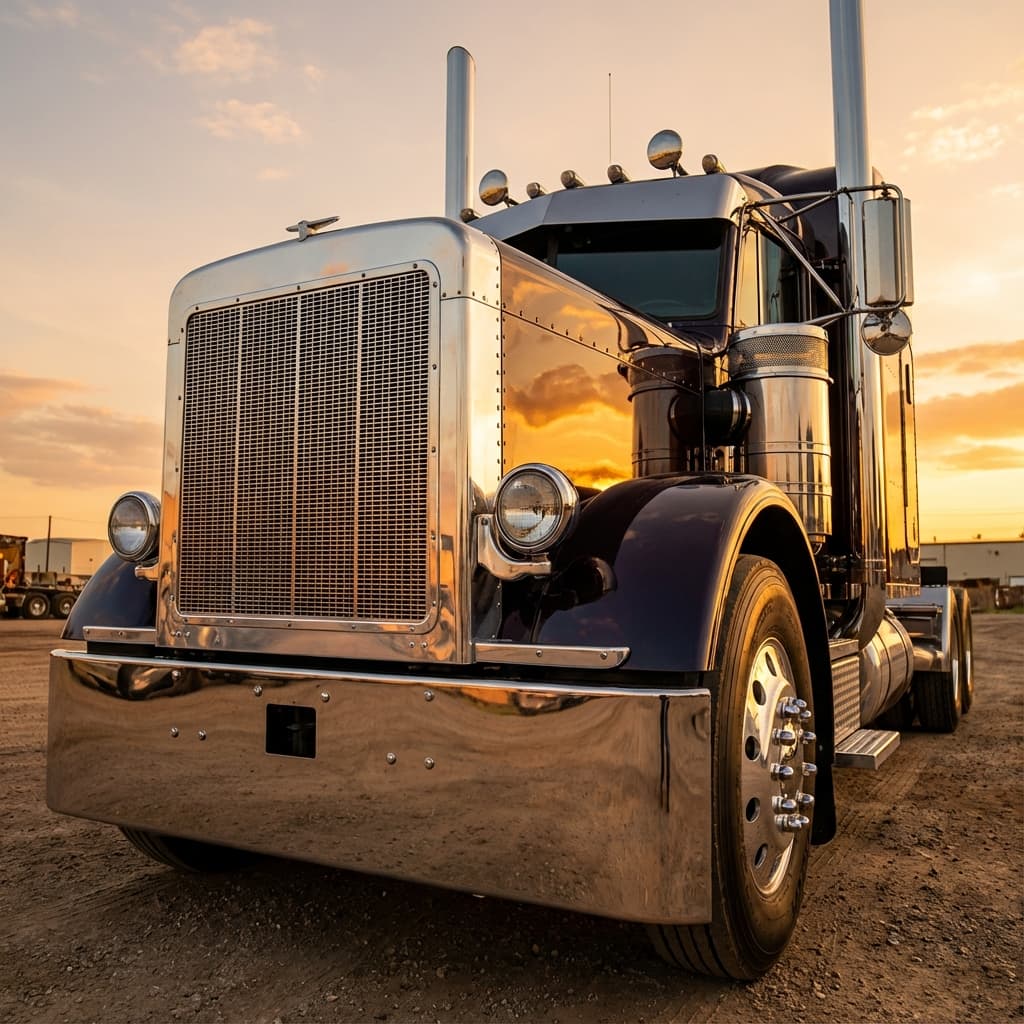
The Foundation of Fleet Security
In the high-stakes world of logistics, your insurance policy is more than just a regulatory hurdle—it is the financial backbone of your operation. While many motor carriers view insurance as a fixed cost, the most successful fleets treat it as a strategic asset. Understanding the nuances between Primary Liability, Motor Truck Cargo, and Physical Damage can mean the difference between a minor setback and a business-ending catastrophe.
Primary Liability: The Non-Negotiable Core
Primary Liability insurance is the bedrock of your coverage. Mandated by the FMCSA, this coverage protects you against the financial consequences of bodily injury or property damage caused to third parties in an accident where your truck is at fault. While the federal minimum is often set at $750,000 for general freight, the industry standard for most brokers and shippers is $1,000,000.
Why Limits Matter
Operating with only the bare minimum can leave your business vulnerable. In an era of nuclear verdicts, a $750,000 limit can be exhausted in seconds during a multi-vehicle incident. At United Lanes, we emphasize that Primary Liability isn't just about compliance; it's about insulating your company's equity from litigation.
Motor Truck Cargo: Protecting the Revenue Stream
Your cargo is your reputation. Motor Truck Cargo insurance covers the carrier’s liability for the freight they are transporting. However, not all cargo policies are created equal. It is vital to look beyond the limit (typically $100,000) and examine the exclusions.
- Reefer Breakdown: For temperature-controlled carriers, this is essential. It covers cargo loss due to mechanical failure of the refrigeration unit.
- Earned Freight: Does your policy cover the freight charges you would have collected had the load been delivered?
- Debris Removal: If a wreck scatters cargo across a highway, the cost of cleanup can be staggering. Ensure your cargo policy includes a provision for debris removal.
Physical Damage: Safeguarding Your Heavy Metal
While Liability protects others, Physical Damage protects you. This coverage is usually required if you have a loan or lease on your equipment. It is typically structured in two parts: Collision and Comprehensive (covering non-collision events like fire, theft, or hail).
Stated Value vs. Actual Cash Value (ACV)
One of the most common mistakes carriers make is misrepresenting the value of their equipment. Most policies pay out based on Actual Cash Value at the time of the loss. If you over-insure a truck, you are paying a premium for a payout you’ll never see. Conversely, under-insuring can lead to a significant financial gap if you need to replace a totaled rig in a high-demand market.
Non-Trucking Liability (NTL) vs. Bobtail: Closing the Gaps
Many owner-operators confuse NTL with Bobtail insurance, but the distinction is critical for risk management.
- Non-Trucking Liability (NTL): Provides liability coverage when the truck is being used for personal, non-business purposes (e.g., driving to the grocery store while off-duty). It does not apply when you are under dispatch.
- Bobtail Insurance: Covers the tractor when it is being operated without a trailer, regardless of whether it is for business or personal use.
Choosing the wrong one can lead to a coverage denial at the moment you need it most. Carriers should consult with an expert to ensure their lease agreements and insurance selections are perfectly aligned.
Strategic Selection for Long-Term Health
A resilient motor carrier doesn't just buy insurance; they engineer a safety net. By understanding these specific coverage types, you can eliminate redundant costs while reinforcing the areas where your business is most exposed. At United Lanes, we believe that an informed carrier is a safe carrier, and a safe carrier is a profitable one.
Questions about
this topic?
Our specialists are ready to provide the personalized guidance you need for your specific situation.