The Asset Protection Roadmap: Deciphering the Four Pillars of Motor Carrier Coverage
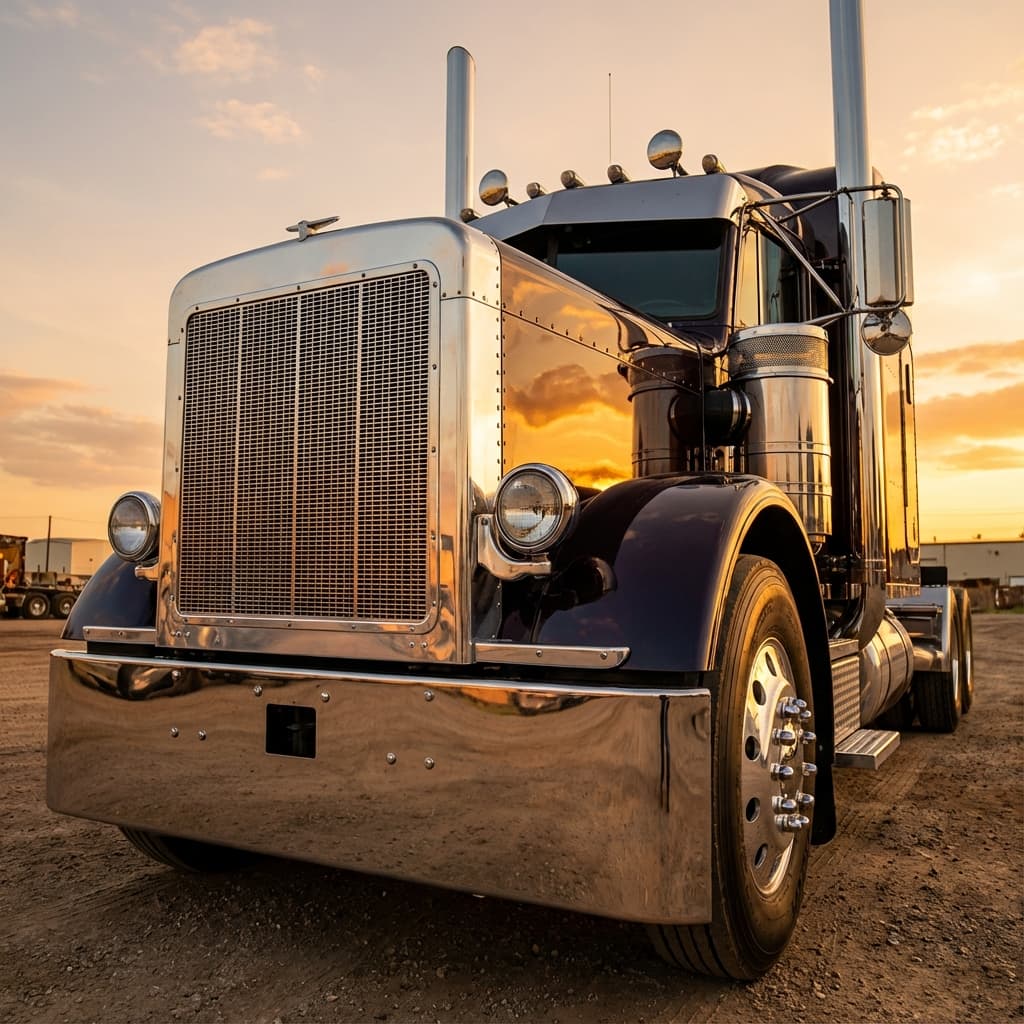
Building a Resilient Coverage Strategy for the Modern Motor Carrier
In the trucking industry, insurance is often viewed through the lens of compliance—a necessary hurdle to obtain authority or secure a contract. However, for the professional motor carrier, insurance is a sophisticated risk management tool. Understanding the nuances between coverage types is the difference between an operational hiccup and a business-ending financial loss. At United Lanes Insurance, we believe that a well-informed carrier is a more resilient carrier.
This guide breaks down the four core pillars of motor carrier insurance to help you optimize your protection and understand exactly where your premiums are going.
1. Primary Liability: The Bedrock of Your Authority
Primary Liability insurance is the most critical component of your policy and is mandated by the FMCSA. It covers bodily injury and property damage to third parties in the event of an at-fault accident. While federal minimums often sit at $750,000, most freight brokers and shippers require a minimum of $1,000,000 to even consider your company for a load.
- Risk Mitigation: Primary Liability protects your company from the rising costs of nuclear verdicts and medical inflation.
- Premium Drivers: Your safety scores (CSA), radius of operation, and driver experience are the primary factors influencing this cost.
2. Motor Truck Cargo: Safeguarding the Freight
While liability covers the damage your truck does to others, Motor Truck Cargo insurance covers the cargo you are hauling. If freight is damaged due to fire, collision, or even theft, this coverage ensures the shipper is reimbursed and your relationship with them remains intact.
- Commodity Specifics: Not all cargo coverage is created equal. It is vital to ensure your policy does not have exclusions for specific commodities you carry, such as electronics, garments, or high-value machinery.
- Reefer Breakdown: For temperature-controlled operations, ensuring you have a Reefer Breakdown endorsement is non-negotiable to protect against cargo loss due to mechanical failure of the cooling unit.
3. Physical Damage: Protecting Your Rolling Assets
Physical Damage insurance provides coverage for your own truck and trailer. This is typically required by lienholders if your equipment is financed. It is composed of two parts: Collision (damage from impact) and Comprehensive (damage from fire, theft, vandalism, or weather).
To manage costs in this category, carriers should pay close attention to the Stated Amount vs. Actual Cash Value (ACV). Ensure your equipment is scheduled at its current market value to avoid being underinsured during a total loss, while also avoiding overpaying for coverage on depreciated assets.
4. Non-Trucking Liability (NTL) vs. Bobtail Insurance
There is often confusion between NTL and Bobtail insurance, but the distinction is vital for owner-operators leased to a motor carrier. Non-Trucking Liability provides liability coverage when the truck is being used for personal, non-business purposes (e.g., driving to the grocery store or a movie theater while off-duty).
Conversely, Bobtail Insurance covers the tractor when it is being operated without a trailer, regardless of whether it is for business or personal use. Choosing the wrong one can leave a significant gap in coverage during the most vulnerable moments of an owner-operator's route.
The United Lanes Advantage: Strategic Balancing
Optimizing your insurance portfolio isn't just about finding the lowest premium; it's about structured deductible management and limit alignment. By increasing deductibles on Physical Damage while maintaining high limits on Primary Liability, a carrier can often lower their fixed costs while maintaining a robust shield against catastrophic claims.
At United Lanes Insurance, we work with you to analyze your specific lane profiles and equipment types to ensure there are no gaps in your safety net. Proper coverage is not an expense—it is the foundation of your fleet's longevity.
Questions about
this topic?
Our specialists are ready to provide the personalized guidance you need for your specific situation.