The Asset Protection Protocol: Mastering the Technical Mechanics of Physical Damage and Cargo Liability
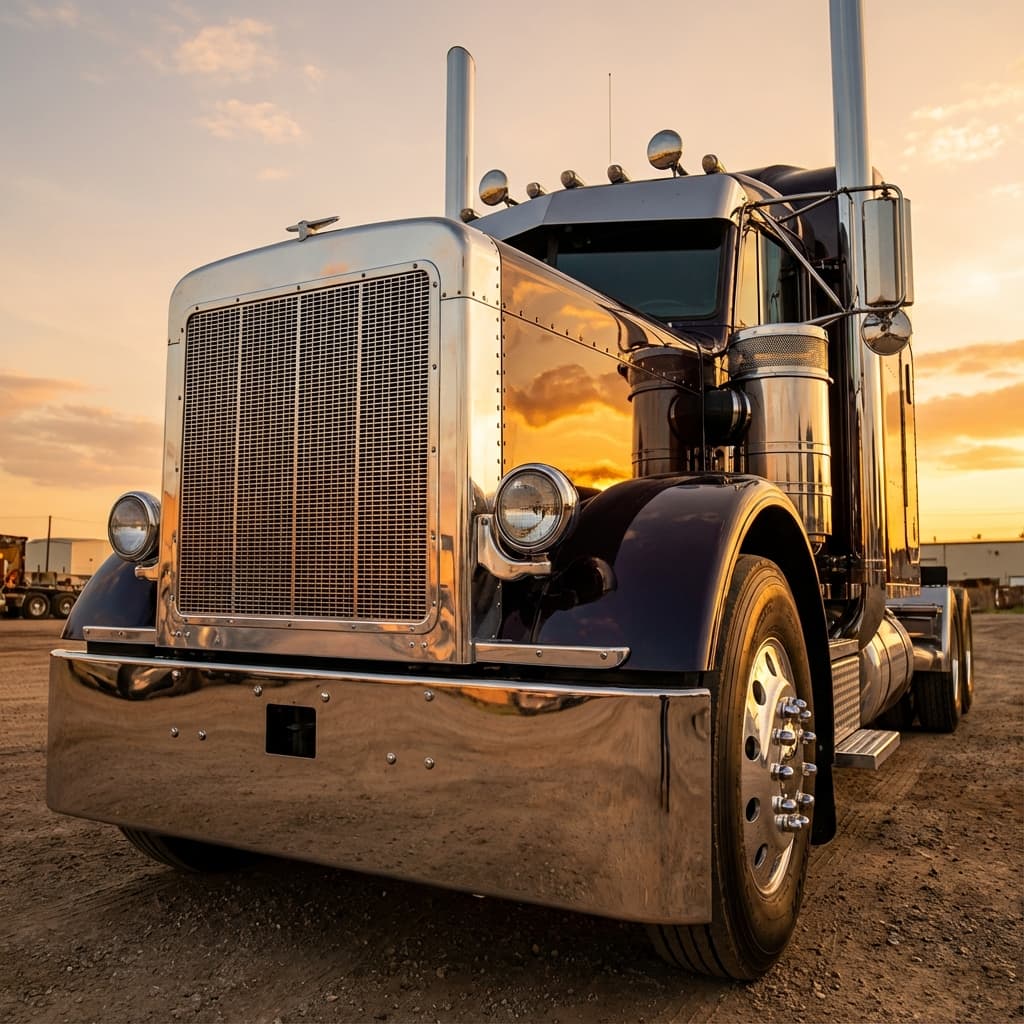
Precision in Protection: Moving Beyond Basic Compliance
For the modern motor carrier, insurance is frequently viewed through the lens of regulatory necessity—a box to be checked to maintain active authority. However, at United Lanes Insurance, we approach coverage as a sophisticated financial instrument designed to safeguard your most volatile capital assets. Understanding the technical nuances of Primary Liability, Physical Damage, and Motor Truck Cargo is the difference between a minor operational hiccup and a business-ending financial loss.
Primary Liability: The Foundation of Operational Authority
While the FMCSA mandates a minimum of $750,000 for general freight, the industry standard has shifted toward $1,000,000 to meet the requirements of premier shippers and brokers. Primary Liability is not merely a legal requirement; it is your shield against third-party bodily injury and property damage claims. Professional motor carriers must recognize that this coverage applies only when the vehicle is being used for business purposes under the carrier's authority.
- Scheduled Auto vs. Any Auto: Ensure your policy structure matches your fleet growth strategy. A 'Scheduled Auto' policy requires every unit to be listed, whereas 'Any Auto' provides broader flexibility for hired or borrowed equipment.
- Financial Responsibility: Your Primary Liability policy is the vehicle for the BMC-91X filing, which signals to the DOT that your operations are sufficiently backed.
Physical Damage: Protecting the Capital Investment
Unlike liability coverage, Physical Damage insurance protects your own equipment. In an era of skyrocketing equipment costs and parts shortages, how you value your truck is critical. There are two primary valuation methods that carriers must understand:
Actual Cash Value (ACV) vs. Stated Amount
Most standard policies pay out based on Actual Cash Value—the market value of the truck at the time of the loss. However, many savvy owner-operators prefer a Stated Amount policy. It is a common misconception that Stated Amount guarantees a payout of that exact figure; rather, it sets a ceiling on the premium and ensures that if you have made significant aftermarket upgrades, those are factored into the total valuation. Regularly updating your equipment values with your agent is essential to avoid being underinsured during a total loss scenario.
Motor Truck Cargo: Navigating the 'Fine Print' Exclusions
Cargo insurance is perhaps the most misunderstood component of the trucking insurance stack. While a policy might state a $100,000 limit, the exclusions define the true quality of the coverage. High-value freight operations must be vigilant regarding:
- Target Commodities: Many policies exclude or limit coverage for specific items like electronics, garments, or alcohol unless explicitly endorsed.
- Unattended Vehicle Clauses: Some policies will deny a theft claim if the tractor-trailer was left unattended in a non-secure location.
- Reefer Breakdown: For refrigerated carriers, ensuring coverage includes 'spoilage' due to mechanical failure of the cooling unit is non-negotiable.
Non-Trucking Liability (NTL) vs. Bobtail Coverage
There is often confusion between NTL and Bobtail insurance. Non-Trucking Liability provides liability coverage when the truck is being used for personal, non-business purposes (such as driving to a grocery store while off-duty). It specifically excludes any use that facilitates a business profit.
Bobtail Insurance, conversely, covers the tractor when it is operated without a trailer attached, regardless of whether it is dispatched or not. For most leased-on owner-operators, NTL is the standard requirement to bridge the gap when the carrier's Primary Liability policy is not in effect. Understanding where the carrier's authority ends and your personal liability begins is vital for long-term risk management.
Strategic Calibration with United Lanes
Choosing the right coverage is not about finding the lowest premium—it is about ensuring that when a claim occurs, the policy performs exactly as expected. At United Lanes Insurance, we specialize in calibrating these specific coverage layers to fit the unique operational profile of your fleet. By technical alignment of your Physical Damage valuations and Cargo endorsements, we transform your insurance from a fixed cost into a strategic asset.
Questions about
this topic?
Our specialists are ready to provide the personalized guidance you need for your specific situation.