The Asset Protection Framework: Demystifying the Core Pillars of Trucking Insurance Coverage
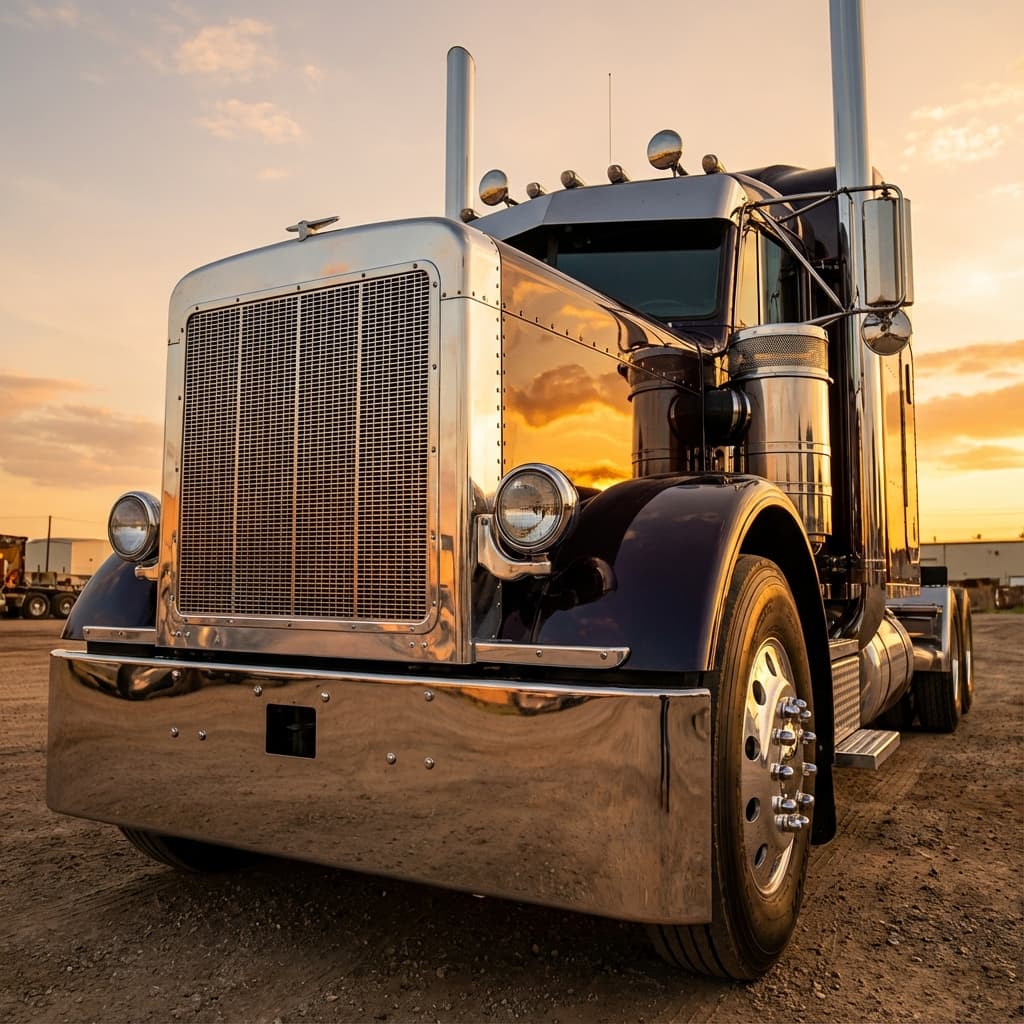
Building a Resilient Foundation: Beyond Regulatory Minimums
For most motor carriers, insurance is often viewed as a significant line-item expense—a necessary hurdle to obtain authority and secure loads. However, in the high-stakes world of commercial transportation, insurance is the ultimate financial safety net. Understanding the nuances of each coverage type is not just about compliance; it is about protecting your capital, your reputation, and your ability to scale.
At United Lanes Insurance, we believe that an informed carrier is a safer, more profitable carrier. Here, we break down the four essential pillars of trucking insurance that every fleet owner and owner-operator must master.
1. Primary Auto Liability: The Non-Negotiable Anchor
Primary Auto Liability is the bedrock of your policy. It is mandated by the FMCSA and provides protection against injury or property damage to third parties resulting from an accident where your truck is at fault. While the federal minimum for general freight is $750,000, the industry standard is $1,000,000.
- Why it matters: Without this coverage, you cannot operate legally. Furthermore, most reputable brokers and shippers will not touch a carrier with less than $1M in liability coverage.
- Strategic Insight: Maintaining a clean safety record (low CSA scores) directly impacts your liability premiums. Underwriters view liability as their highest risk, so proactive safety measures here offer the highest ROI on premium savings.
2. Physical Damage: Protecting Your Rolling Assets
While liability covers the other guy, Physical Damage covers you. This coverage is typically required by lienholders if you are financing your equipment. It consists of two main parts:
- Collision: Covers damage to your truck resulting from an accident with another vehicle or object.
- Comprehensive: Covers non-collision events such as theft, fire, vandalism, or glass breakage.
Expert Tip: When setting up Physical Damage coverage, pay close attention to the Stated Amount versus Actual Cash Value (ACV). Ensure your equipment is appraised accurately; over-insuring leads to wasted premiums, while under-insuring can leave you with a massive financial gap in the event of a total loss.
3. Motor Truck Cargo: Safeguarding the Revenue Stream
Your truck is the tool, but the cargo is the revenue. Motor Truck Cargo insurance protects the carrier if the freight they are transporting is lost or damaged. Standard limits often start at $100,000, but high-value commodities may require significantly more.
It is vital to understand the exclusions in a cargo policy. Many policies exclude specific items like electronics, garments, or high-target theft items unless specifically endorsed. Additionally, for those in the cold chain, Refrigeration Breakdown coverage is an essential add-on to protect against spoilage due to mechanical failure of the reefer unit.
4. Non-Trucking Liability (NTL) and Bobtail Coverage
The distinction between NTL and Bobtail is one of the most common areas of confusion in the industry. For owner-operators leased to a motor carrier, NTL is essential.
- Non-Trucking Liability: Provides liability coverage when the truck is being used for personal, non-business purposes (e.g., driving to the grocery store while off-duty).
- Bobtail Coverage: Covers the tractor when it is being operated without a trailer, regardless of whether it is for business or personal use.
Using the wrong coverage for your specific operational model can lead to denied claims. If you are an independent owner-operator with your own authority, you generally do not need NTL, as your Primary Liability should cover you at all times.
The Strategic Advantage of Comprehensive Coverage
Choosing the right mix of coverage is a balancing act between risk tolerance and fixed costs. A well-structured insurance portfolio does more than just pay out after an accident; it provides the operational confidence to take on higher-paying freight and build long-term partnerships with premium shippers.
At United Lanes Insurance, we work with carriers to fine-tune these pillars, ensuring there are no gaps in your shield and no wasted dollars in your budget. By mastering these coverage types, you transition from simply being insured to being strategically protected.
Questions about
this topic?
Our specialists are ready to provide the personalized guidance you need for your specific situation.