The Asset Protection Framework: Deciphering the Specifics of Primary Liability and Supplemental Coverages
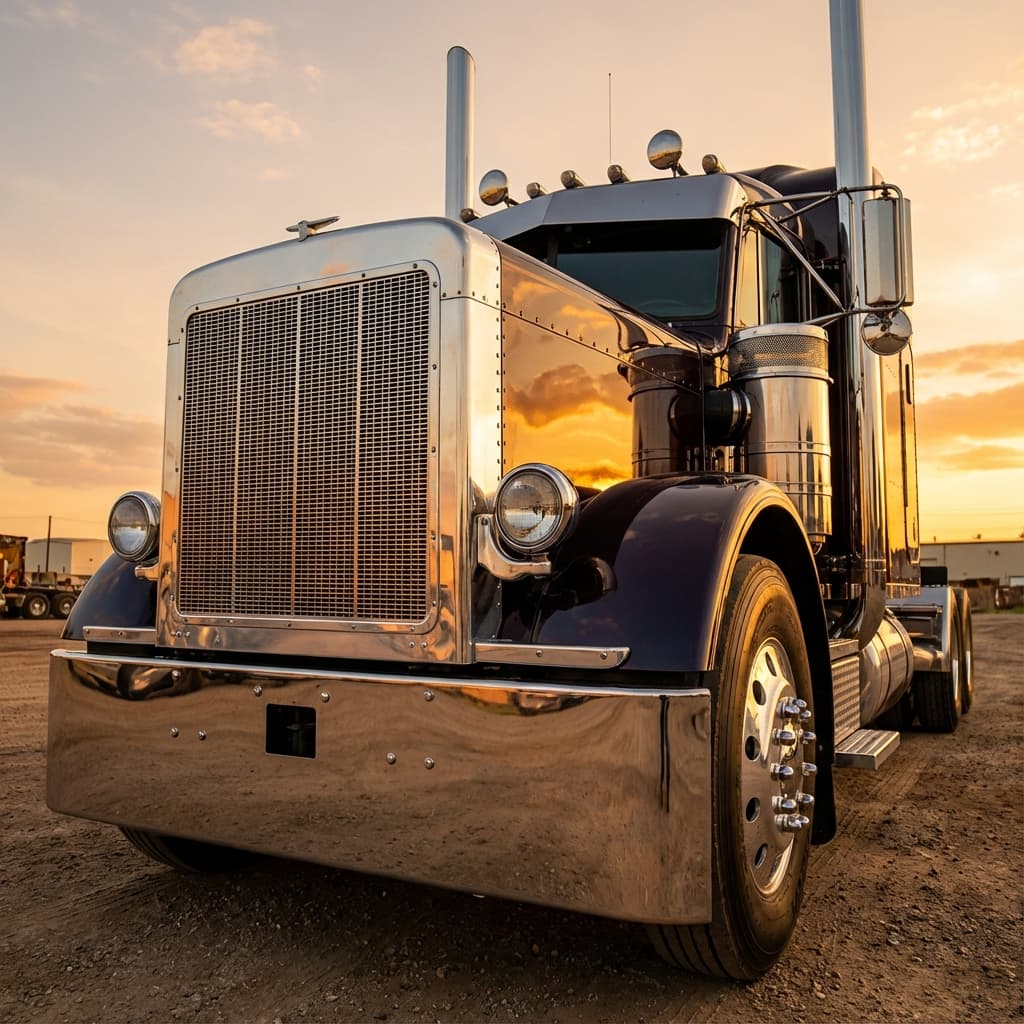
Building a Foundation Beyond the FMCSA Minimums
In the high-stakes world of commercial transportation, insurance is often viewed through the lens of compliance—a necessary hurdle to secure operating authority. However, for the professional motor carrier, insurance is more accurately defined as a risk transfer mechanism designed to protect the business’s most valuable assets: its equipment, its reputation, and its balance sheet. Understanding the nuances between Primary Liability, Physical Damage, and specialized endorsements is the difference between a minor operational hiccup and a catastrophic financial loss.
Primary Auto Liability: The Non-Negotiable Bedrock
Primary Auto Liability is the federally mandated coverage that protects you against legal liability for bodily injury or property damage caused to third parties. While the FMCSA minimum for non-hazardous freight is $750,000, the industry standard for most reputable brokers and shippers is $1,000,000.
It is critical to understand that this coverage only triggers when the truck is being used for business purposes. It does not protect the driver, the vehicle itself, or the cargo. It is purely a shield against third-party lawsuits and claims. To optimize your premiums here, carriers should focus on clean CDL records and robust telematics data that prove safe driving behaviors to underwriters.
Motor Truck Cargo: Protecting the Revenue Stream
While liability protects the public, Motor Truck Cargo insurance protects the freight you are paid to move. Not all cargo policies are created equal; a 'one-size-fits-all' approach can leave dangerous gaps. When evaluating cargo coverage, carriers must look for:
- Broad Form Coverage: Ensures fewer exclusions for specific types of freight.
- Reefer Breakdown: Essential for temperature-controlled operations, covering losses due to mechanical failure of the refrigeration unit.
- Debris Removal: Covers the cost of cleaning up spilled freight after an accident, which can often reach tens of thousands of dollars.
Underwriters look closely at the commodities you haul. High-value electronics or pharmaceuticals require different limit structures and security protocols than dry van general commodities.
Physical Damage: Safeguarding Your Capital Investment
Physical Damage insurance covers the repair or replacement of your truck and trailer in the event of a collision, fire, theft, or vandalism. There are two primary methods for establishing the value of this coverage: Actual Cash Value (ACV) and Stated Amount.
We recommend the Stated Amount approach for many carriers, as it allows the owner to reflect the true market value of a customized or exceptionally maintained rig. However, it is vital to update these values annually; over-insuring leads to wasted premiums, while under-insuring can lead to a 'co-insurance' penalty during a total loss claim, leaving you with a check that doesn't cover the remaining equipment loan.
Non-Trucking Liability (NTL) vs. Bobtail Coverage
One of the most common points of confusion in trucking insurance is the distinction between NTL and Bobtail coverage. These are intended for owner-operators leased to a motor carrier who provides the Primary Liability while the driver is under dispatch.
- Non-Trucking Liability: Covers the truck when it is being used for purely personal, non-business purposes (e.g., driving to the grocery store while home on reset).
- Bobtail Insurance: Provides liability coverage when the tractor is operating without a trailer, regardless of whether it is under dispatch or for personal use.
Choosing the wrong one can lead to a complete denial of a claim if the accident occurs during a 'grey area' of operation. Always consult with your specialist to ensure your lease agreement matches your coverage type.
The Strategic Advantage of Specialized Endorsements
Modern trucking risks require modern solutions. Beyond the four pillars mentioned above, carriers should consider Rental Reimbursement with Downtime. This endorsement provides a daily stipend to cover lost revenue while a truck is in the shop following a covered loss, keeping the business solvent during a period of zero productivity. By meticulously aligning these coverage types with your specific operational profile, you transform insurance from a line-item expense into a competitive strategic advantage.
Questions about
this topic?
Our specialists are ready to provide the personalized guidance you need for your specific situation.