The Asset Optimization Matrix: Strategic Fleet Lifecycle Management for Sustainable Growth
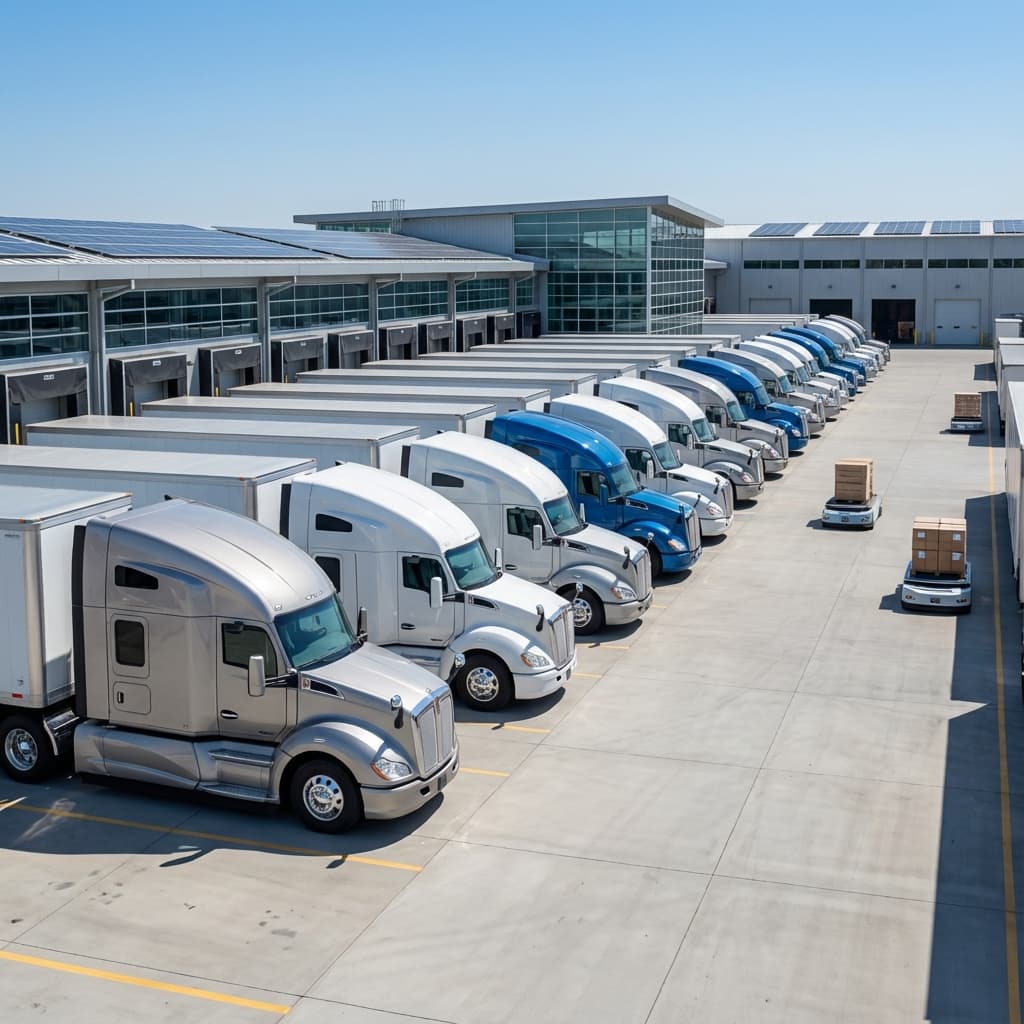
Mastering the Balance of Asset Longevity and Operational Efficiency
In the high-stakes world of motor carriage, the difference between a thriving fleet and a struggling one often comes down to asset utilization. While many carriers focus solely on securing high-paying loads, the most successful operators understand that profitability is built on the backend: through the strategic management of equipment lifecycles and the optimization of every mile driven.
At United Lanes Insurance, we see a direct correlation between meticulous fleet management and a carrier’s overall risk profile. Efficient operations don’t just save on fuel and maintenance; they create a stable environment that insurance underwriters find highly favorable.
1. The Equipment Lifecycle: Acquisition vs. Maintenance
One of the most critical decisions a motor carrier faces is determining the 'sweet spot' for equipment turnover. Keeping trucks too long leads to escalating maintenance costs and increased downtime, while replacing them too frequently can strain cash flow and increase Physical Damage insurance premiums.
- The 450,000-Mile Pivot: Many top-tier fleets aim to cycle out Class 8 tractors before they hit the 450,000 to 500,000-mile mark. This is typically when major component failures (engines, transmissions, after-treatment systems) become more frequent and costly.
- Residual Value Optimization: Timing the sale of used equipment to coincide with high secondary market demand can significantly offset the cost of new acquisitions.
- Insurance Implications: Newer trucks often come equipped with advanced driver-assistance systems (ADAS), which can lead to lower liability risks and potential premium credits.
2. Transitioning from Reactive to Predictive Maintenance
Reactive maintenance—fixing things only when they break—is the most expensive way to run a trucking company. It results in service failures, upset customers, and 'tow-bill' premiums that eat into margins. Predictive maintenance leverages telematics data to identify potential failures before they occur.
By analyzing data points such as coolant temperature trends, oil pressure fluctuations, and fault codes in real-time, fleet managers can schedule repairs during planned downtime. This ensures that the truck is in the shop when it doesn't have a load, rather than sitting on the shoulder of an interstate with a time-sensitive delivery.
3. Human Capital as an Operational Engine
Operational efficiency is not just about machines; it is about the people operating them. High driver turnover is a hidden operational cost that can exceed $15,000 per seat when considering recruiting, onboarding, and the initial dip in productivity. To stabilize growth, carriers must treat driver retention as a core business operation strategy.
- Performance-Based Incentives: Link driver bonuses to fuel efficiency, safety scores, and on-time delivery rather than just total miles.
- Communication Loops: Establish a feedback mechanism where drivers can report equipment issues or route inefficiencies, making them partners in the business's success.
- Safety Culture: A driver who feels the company prioritizes their safety is more likely to remain loyal, reducing the operational volatility associated with constant hiring.
4. Diversifying Revenue Streams for Stability
Operational efficiency also involves strategic capacity management. Relying 100% on the spot market leaves a carrier vulnerable to the cyclical nature of freight rates. A healthy operational mix typically includes a foundation of dedicated contract freight supplemented by spot market opportunities to fill backhauls.
Diversification allows for better route planning and predictable scheduling, which in turn leads to more consistent maintenance windows and improved driver home time—the ultimate win-win for business operations.
Conclusion: The Long-Term Vision
Sustainable growth in trucking requires a shift from a 'load-to-load' mindset to a comprehensive Asset Optimization strategy. By mastering the equipment lifecycle, embracing predictive data, and valuing human capital, motor carriers can build a resilient operation that is prepared for both market volatility and long-term expansion.
Questions about
this topic?
Our specialists are ready to provide the personalized guidance you need for your specific situation.