The Asset Optimization Mandate: Maximizing Fleet Lifecycle Efficiency for Sustained Growth
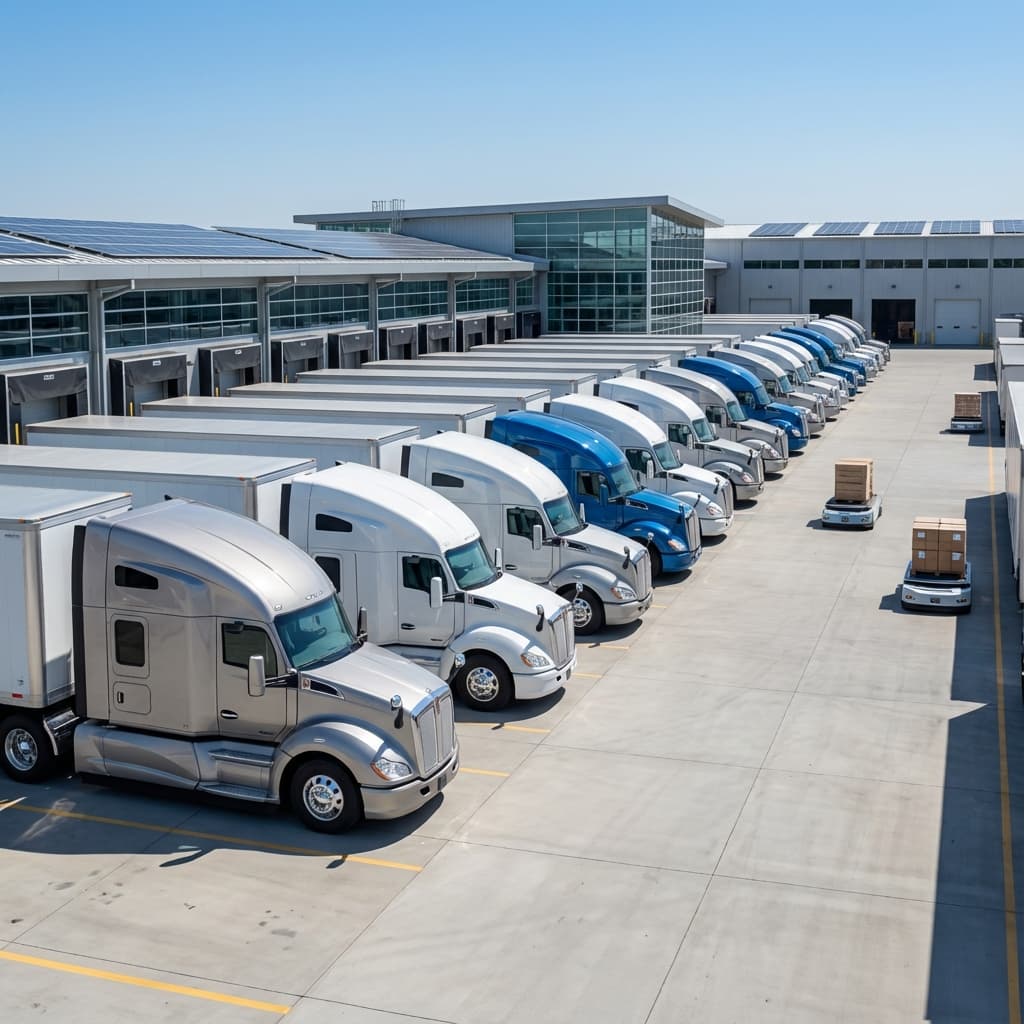
Beyond the Odometer: Reimagining Asset Management
For the modern motor carrier, a truck is more than a vehicle; it is a revenue-generating asset with a finite productive lifespan. While many carriers focus heavily on load acquisition and driver recruitment, operational excellence is often won or lost in the shop and the ledger. To achieve sustainable growth, carriers must transition from reactive maintenance to a comprehensive asset optimization strategy.
Efficient fleet management directly impacts every facet of your business operations, from driver retention—since drivers prefer newer, reliable equipment—to insurance premiums and resale value. This guide explores how to engineer an asset lifecycle that fuels expansion rather than draining capital.
The Core Pillars of Lifecycle Optimization
Maximizing the efficiency of your fleet requires a disciplined approach to how equipment is acquired, maintained, and eventually retired. Successful carriers utilize three primary levers to maintain operational fluidness:
1. The Shift to Predictive Maintenance
Reactive maintenance—fixing things only when they break—is the most expensive way to run a trucking company. The hidden costs include emergency roadside assistance fees, missed delivery windows, and dissatisfied drivers. Predictive maintenance leverages telematics and historical data to replace components just before they fail.
- Real-Time Monitoring: Use engine diagnostic data to identify fault codes before they result in a derate or breakdown.
- Structured Interval Planning: Align oil changes, tire rotations, and brake inspections with your specific duty cycles rather than generic manufacturer recommendations.
- Documentation: Rigorous maintenance logs are not just for DOT compliance; they are essential for proving the value of your assets during a sale or insurance audit.
2. Strategic Replacement Cycles
One of the most difficult decisions for a fleet executive is determining when to trade in a tractor. Operating a truck for too long leads to a "maintenance spike" where repair costs exceed the revenue generated by the asset. Conversely, trading too early leaves equity on the table.
Analysis shows that the "sweet spot" for many Class 8 fleets occurs between 400,000 and 500,000 miles. At this stage, the vehicle typically remains under certain powertrain warranties, maintains high secondary market demand, and hasn't yet entered the high-cost repair phase for aftertreatment systems and major engine components.
3. Optimizing Asset Utilization
An idle truck is a liability. Operational efficiency hinges on maximizing "wheels turning" time. This involves more than just dispatching; it requires a synergy between maintenance and operations. For example, scheduling PM (Preventative Maintenance) services during a driver’s mandatory reset period ensures the truck is ready to roll when the driver is, effectively eliminating maintenance-related downtime.
The Financial Ripple Effect: Insurance and Resale Value
A well-managed asset lifecycle does more than just lower your Cost Per Mile (CPM); it builds a more resilient balance sheet. From an insurance perspective, a fleet of newer, well-maintained vehicles equipped with the latest safety technologies (such as collision mitigation and lane departure warnings) is significantly more attractive to underwriters. This can lead to broader coverage options and more competitive rate structures.
Furthermore, when it comes time to cycle out equipment, a carrier with a proven, documented maintenance program will command a premium in the used truck market. This recovered capital is the engine that funds the next generation of your fleet, creating a self-sustaining cycle of growth.
Operational Discipline as a Competitive Moat
In a volatile freight market, you cannot always control the spot rate, but you can control your operational costs. By mastering the asset optimization mandate, you transform your fleet from a series of high-cost variables into a predictable, scalable business engine. Carriers that prioritize lifecycle management aren't just surviving the current market—they are building the infrastructure to dominate the next one.
Questions about
this topic?
Our specialists are ready to provide the personalized guidance you need for your specific situation.