The Asset Optimization Matrix: Strategic Fleet Lifecycle Management for Sustainable Growth
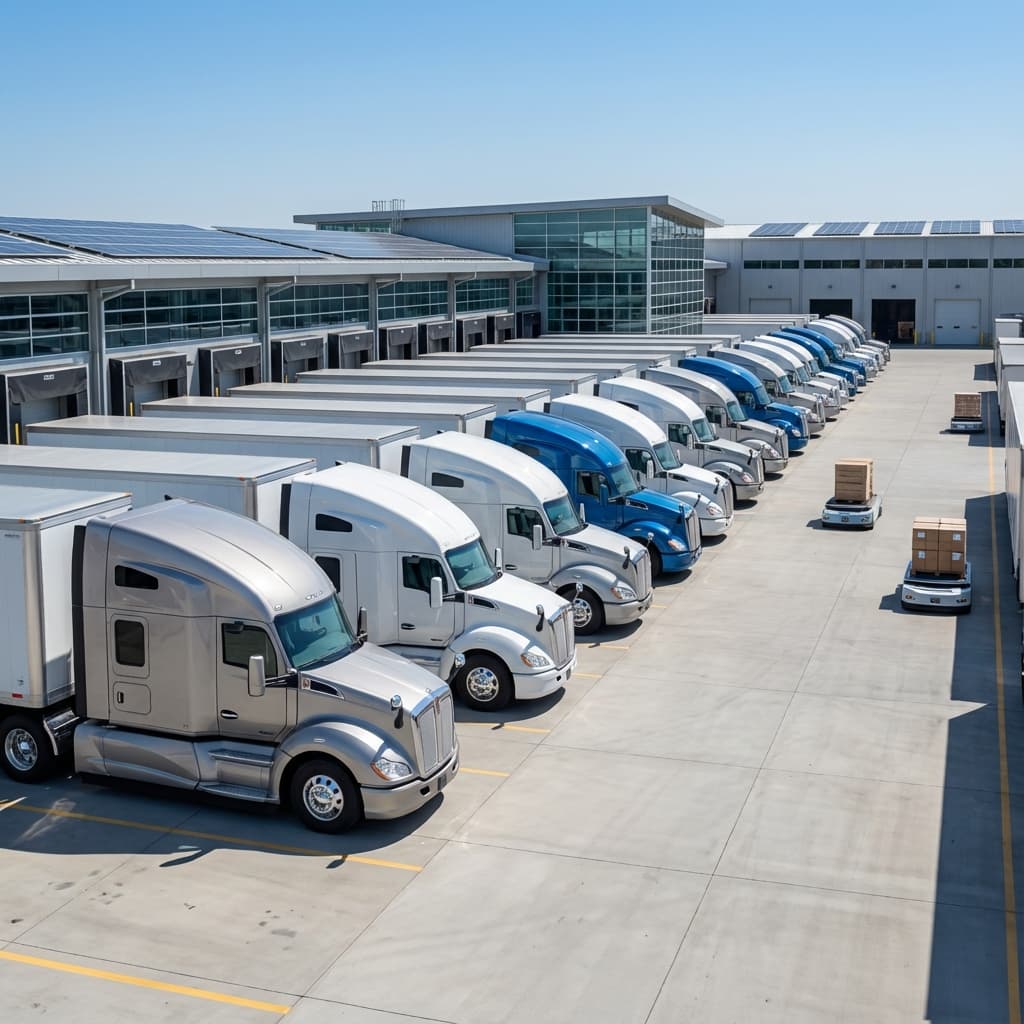
Beyond Basic Procurement: Reimagining the Fleet as a Strategic Asset
For most motor carriers, equipment represents the largest capital expenditure and the most significant operational risk. However, many carriers view fleet management through a reactive lens—purchasing trucks when demand spikes and repairing them when they break down. To achieve sustainable growth in a tightening market, carriers must pivot toward a strategic lifecycle management model.
Strategic fleet management isn't just about keeping trucks on the road; it’s about optimizing the 'Total Cost of Ownership' (TCO) and ensuring that every asset contributes to the long-term scalability of the business.
1. Data-Driven Procurement: Timing the Market and the Machine
The foundation of operational efficiency lies in how you acquire assets. Growth-oriented carriers move away from emotional or emergency purchasing and toward data-driven cycles. Key considerations include:
- Specifications for Purpose: Over-specifying a truck for a route it won't run leads to wasted fuel and higher insurance premiums. Under-specifying leads to premature wear. Ensure your equipment matches your primary freight lanes.
- The Lease vs. Buy Equation: While ownership builds equity, leasing can provide predictable monthly costs and ensure your fleet remains under warranty, reducing the impact of 'surprise' mechanical failures on your cash flow.
- Technology Integration: Modern procurement should prioritize factory-installed telematics and safety suites. These aren't just features; they are critical data sources that help lower insurance costs and improve driver retention.
2. The Maintenance-Efficiency Correlation
Operational efficiency is often lost in the service bay. A truck that isn't moving is a truck that isn't earning, yet it continues to accrue fixed costs like insurance and permits. To maximize ROI, carriers must transition from Corrective Maintenance to Predictive Maintenance.
Predictive maintenance uses telematics data to identify potential failures before they occur. By scheduling repairs during planned downtime, carriers avoid the exorbitant costs of roadside assistance and the secondary damage caused by component failure. Furthermore, a documented, rigorous maintenance program is a powerful asset during an insurance renewal, signaling to underwriters that the carrier is a 'low-risk' operator.
3. Optimizing the 'Sweet Spot' of Asset Disposition
One of the most overlooked aspects of fleet management is knowing when to sell. Holding onto a truck for too long leads to a 'maintenance cliff'—the point where repair costs and downtime exceed the vehicle's earning potential. Strategic disposition involves identifying the 'sweet spot' where resale value remains high and maintenance costs are still manageable.
By rotating assets out of the fleet every 400,000 to 500,000 miles (for Class 8 tractors), carriers can capture higher residual values, which can then be reinvested into newer, more fuel-efficient, and safer equipment. This cycle creates a 'younger' fleet profile, which significantly improves the carrier's CSA scores and overall risk profile.
4. The Insurance Synergy: How Modern Fleets Lower Overhead
There is a direct correlation between asset management and insurance premiums. Insurance providers look for carriers who demonstrate a commitment to modern safety standards and equipment reliability. A fleet with a lower average age typically benefits from:
- Advanced Driver Assistance Systems (ADAS): Technologies like collision mitigation and lane-keep assist drastically reduce the frequency and severity of accidents.
- Lower Breakdown Frequency: Fewer breakdowns mean fewer instances of trucks being parked in high-risk areas (shoulders, unlit lots), reducing the risk of cargo theft and physical damage claims.
- Enhanced Data Transparency: Newer trucks provide better ELD and telematics integration, allowing carriers to provide 'proof of safety' to underwriters.
Conclusion: Scaling with Precision
Growth in the trucking industry is not merely a product of adding more trucks; it is a product of optimizing the trucks you have. By implementing a strategic asset lifecycle matrix—focusing on precise procurement, predictive maintenance, and timely disposition—motor carriers can build a more resilient, profitable, and insurable operation. In the modern freight economy, efficiency is the only true competitive advantage.
Questions about
this topic?
Our specialists are ready to provide the personalized guidance you need for your specific situation.