The Asset Lifecycle Strategy: Optimizing Fleet Replacement Cycles for Financial Resilience
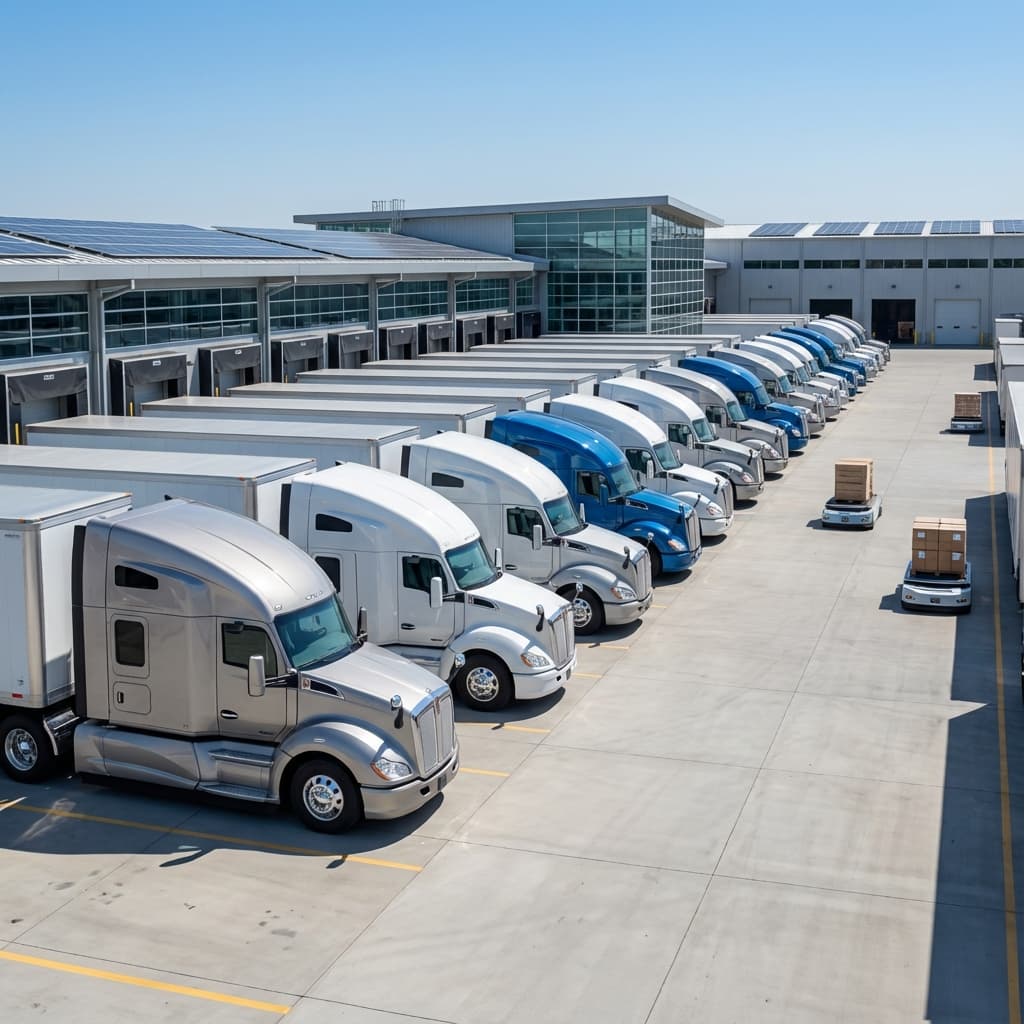
The Hidden Cost of Aging Equipment
For many motor carriers, the decision to keep an older truck on the road feels like a cost-saving measure. However, as an expert in trucking operations and risk management, I have seen how an aging fleet can become a silent predator on a carrier’s bottom line. Beyond the obvious repair bills, the true cost of an aging asset includes unscheduled downtime, decreased fuel efficiency, and rising insurance premiums.
To achieve sustainable growth, carriers must move from a reactive maintenance mindset to a proactive asset lifecycle strategy. This involves identifying the precise point where the cost of maintaining a vehicle exceeds the cost of a monthly payment on a newer, more efficient replacement.
The Financial Physics of Fleet Aging
As a Class-8 truck ages, its operational profile shifts. Understanding this shift is critical for operational efficiency. Typically, the first three to four years of a truck’s life are the most profitable. During this period, the vehicle is under warranty, maintenance is limited to fluids and filters, and fuel economy is at its peak.
- Maintenance Creep: After 400,000 miles, major components like turbos, injectors, and after-treatment systems often require expensive overhauls.
- Downtime Volatility: An older truck is more likely to suffer a breakdown on the road, leading to missed delivery windows, towing fees, and potential contract penalties.
- Fuel Degradation: Even with perfect maintenance, older engines tend to lose a percentage of their fuel efficiency compared to newer models equipped with updated aerodynamics and drivetrain technology.
The Insurance Dividend: Why Newer is Safer
From an underwriting perspective, the age of your fleet is a primary rating factor. Modern trucks come standard with Advanced Driver Assistance Systems (ADAS), such as collision mitigation, lane departure warnings, and electronic stability control. These technologies are not just safety features; they are tools that protect your loss run integrity.
At United Lanes Insurance, we see a direct correlation between carriers with newer fleets and lower accident frequency. By modernizing your fleet, you are essentially engineering risk out of your business. This leads to better safety scores and, ultimately, more competitive premiums during your annual renewal.
Strategic Fleet Replacement: Finding the "Sweet Spot"
Operational efficiency is found in the "sweet spot"—the window where resale value is high and maintenance costs are low. For many long-haul carriers, this is between year four and year six. By cycling out equipment before it hits the 500,000-mile mark, carriers can:
- Recapture Capital: High-quality used trucks with documented maintenance history command premium prices in the secondary market, providing the down payment for the next generation of equipment.
- Enhance Driver Retention: Professional drivers want to operate reliable, comfortable equipment. Providing a modern cab is often more effective for retention than a modest per-mile raise.
- Stabilize Cash Flow: Fixed monthly equipment payments are easier to budget for than the unpredictable $10,000 engine repairs that plague aging fleets.
Leveraging Data for Operational Growth
To implement this strategy, carriers must track Cost Per Mile (CPM) with granular detail. Every motor carrier should be able to identify the exact CPM for every truck in their fleet. When a specific unit’s maintenance CPM begins to climb toward the cost of a new truck payment, the asset lifecycle strategy dictates it is time to trade.
In conclusion, scaling a trucking company isn't just about adding more trucks; it's about managing the ones you have with clinical precision. A disciplined replacement cycle ensures your capital is working for you, rather than being swallowed by the repair shop, creating a leaner, more resilient, and more insurable motor carrier.
Questions about
this topic?
Our specialists are ready to provide the personalized guidance you need for your specific situation.