The Asset Intelligence Framework: Mastering Equipment Lifecycle and Maintenance for Operational Excellence
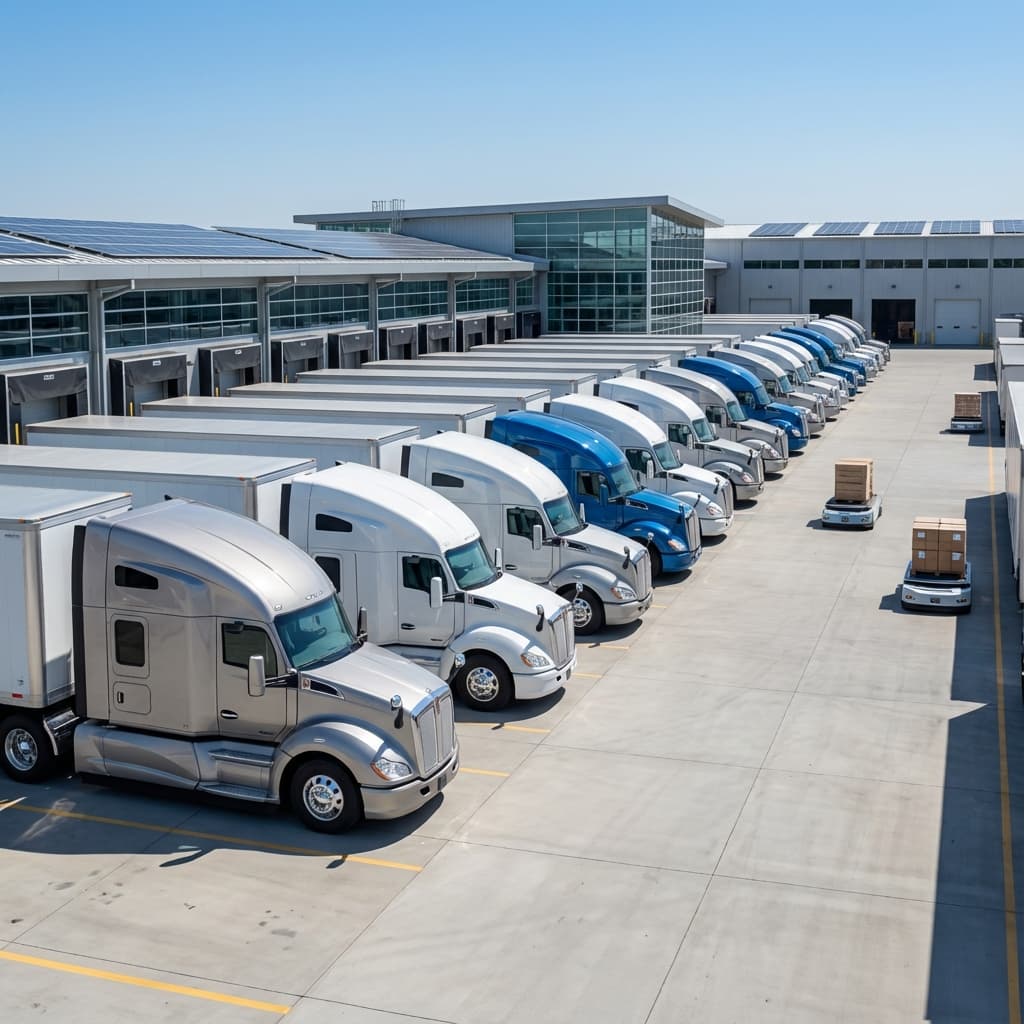
The Strategic Value of Asset Intelligence
In the high-stakes world of motor carrier operations, the truck is more than just a vehicle; it is a revenue-generating asset that requires a sophisticated management strategy. Many carriers fall into the trap of reactive maintenance—fixing problems only when they arise—which inevitably leads to cascading costs, missed delivery windows, and inflated insurance risks. Asset Intelligence is the practice of using data-driven insights to manage the lifecycle of your fleet, ensuring that every mile driven contributes to the bottom line rather than eroding it.
Defining the Total Cost of Ownership (TCO)
Operational efficiency begins with an honest assessment of the Total Cost of Ownership (TCO). This metric goes beyond the monthly lease or loan payment to include fuel consumption, maintenance, tires, insurance premiums, and, most importantly, the cost of downtime. A fleet manager’s goal is to identify the 'sweet spot' in an asset’s life—the point where the cost of maintenance and the risk of failure begin to outweigh the depreciation benefits of keeping an older vehicle on the road.
Preventive Maintenance as a Profit Center
To achieve operational excellence, carriers must shift their perspective: maintenance is not an expense; it is an investment in uptime. A robust Preventive Maintenance (PM) program reduces the likelihood of roadside inspections resulting in Out-of-Service (OOS) violations, which directly impacts your CSA scores and insurance eligibility. Consider these pillars for a modern PM strategy:
- Scheduled Inspections: Go beyond the mandatory annual inspection. Implement 30, 60, and 90-day comprehensive checks that focus on high-wear components like braking systems and turbochargers.
- Fluid Analysis: Regular oil and coolant analysis can provide early warnings of engine or transmission wear before catastrophic failure occurs.
- Tire Pressure Monitoring: Under-inflated tires are a primary cause of roadside calls and poor fuel economy. Automated systems pay for themselves within months.
Optimizing the Replacement Cycle
Growth-oriented motor carriers understand that holding onto equipment for too long can be a strategic error. The secondary market for used trucks fluctuates, and the 'trade-cycle' must be timed to maximize resale value. Typically, for Class 8 tractors, the optimal turnover occurs between 400,000 and 500,000 miles. At this stage, the vehicle often still carries some manufacturer warranty, holds high trade-in value, and hasn't yet entered the high-cost repair phase (e.g., after-treatment system overhauls).
Leveraging Telematics for Operational Velocity
Modern fleet management requires real-time visibility. Telematics platforms do more than track GPS coordinates; they provide engine diagnostics that allow dispatchers to proactively route a truck to a terminal if a fault code is triggered. This 'Diagnostic Velocity' allows carriers to address minor issues before they become major roadside events. Furthermore, demonstrating a commitment to data-driven maintenance can be a powerful tool during insurance renewals, as it proves to underwriters that the carrier is mitigating the risk of mechanical failure-related accidents.
The Human Element: Driver Feedback Loops
Your drivers are your first line of defense in asset management. Establishing a formal feedback loop where drivers can report 'soft' issues—such as unusual vibrations or minor shifts in fuel economy—can catch problems that sensors might miss. When drivers feel that their equipment is well-maintained, retention rates improve, further stabilizing business operations and reducing the costs associated with driver turnover.
Conclusion: Building a Resilient Operation
Operational efficiency is not the result of a single action, but the culmination of disciplined asset management. By mastering the equipment lifecycle, investing in aggressive preventive maintenance, and utilizing telematics data, motor carriers can protect their margins and build a foundation for scalable growth. In an industry where every cent per mile counts, asset intelligence is the ultimate competitive edge.
Questions about
this topic?
Our specialists are ready to provide the personalized guidance you need for your specific situation.