The Anatomy of a Policy: A Deep Dive into Primary Liability, Cargo, and Physical Damage
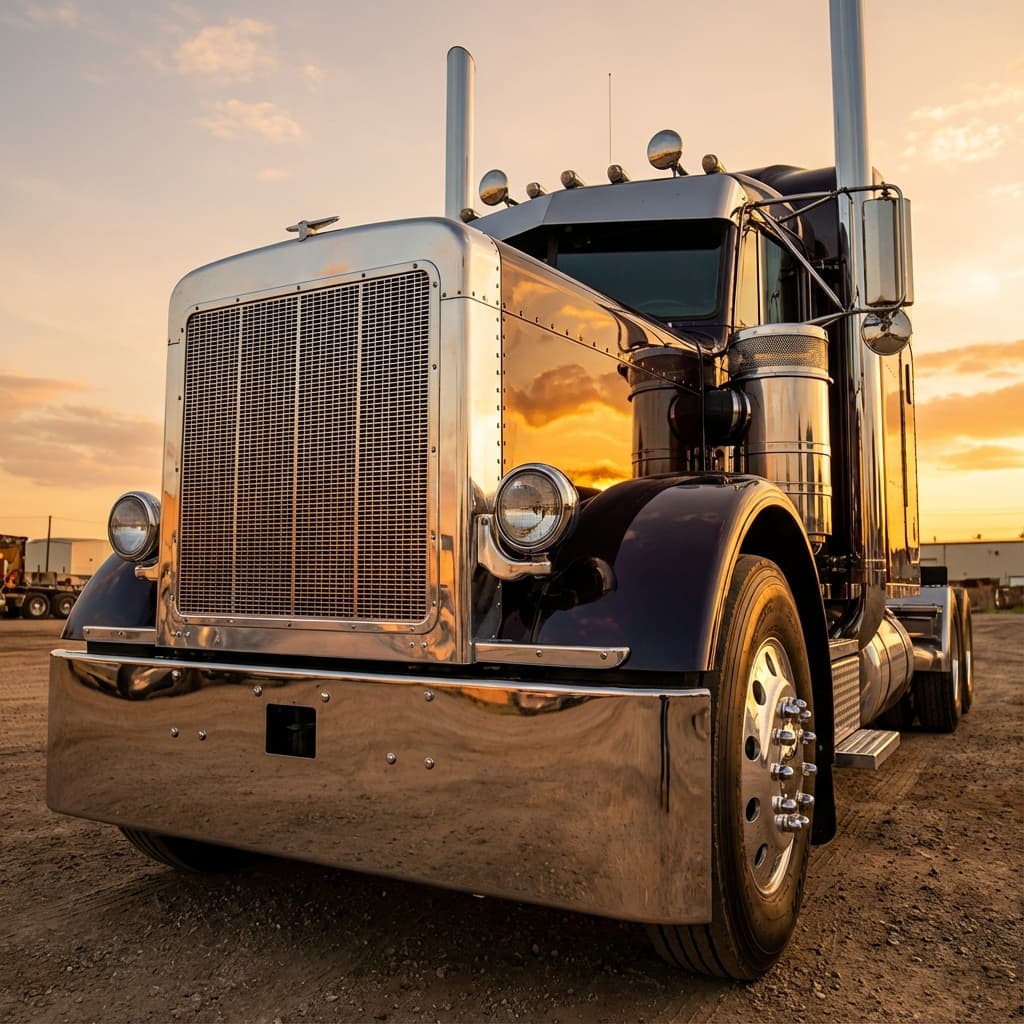
Building a Robust Insurance Framework for Modern Motor Carriers
For motor carriers, an insurance policy is more than a regulatory requirement—it is a critical financial tool designed to protect the business from catastrophic loss. However, many operators treat insurance as a 'check-the-box' exercise, often failing to understand how different coverage types interact. To build a resilient operation, carriers must understand the nuances of Primary Liability, Physical Damage, Motor Truck Cargo, and Non-Trucking Liability.
Primary Liability: The Regulatory Anchor
Primary Liability is the foundational coverage required by the Federal Motor Carrier Safety Administration (FMCSA) for any carrier operating under their own authority. This coverage protects the motor carrier in the event of an at-fault accident that causes bodily injury or property damage to a third party.
- Legal Minimums vs. Market Expectations: While the FMCSA minimum is often $750,000 for general freight, the industry standard demanded by most brokers and shippers is $1,000,000.
- The Financial Shield: This coverage pays for legal defense costs and settlements, which is vital in an era of 'nuclear verdicts' where litigation costs can easily exceed the asset value of a small-to-mid-sized fleet.
Motor Truck Cargo: Protecting the Freight and Your Reputation
While Primary Liability protects the public, Motor Truck Cargo insurance protects the freight you are hauling. This is the coverage that ensures your customers are made whole if their goods are lost or damaged in transit.
Critical Considerations: Not all cargo policies are created equal. Carriers must pay close attention to specific exclusions. Common exclusions can include unattended vehicles, electronic goods, or specialized commodities like fine art or pharmaceuticals. For refrigerated carriers, ensuring the policy includes a 'Reefer Breakdown' endorsement is non-negotiable to cover losses resulting from mechanical failure of the cooling unit.
Physical Damage: Safeguarding Your Capital Assets
Physical Damage coverage is designed to repair or replace your equipment in the event of an accident, theft, or natural disaster. It typically consists of two parts: Collision and Comprehensive.
- Collision: Covers damage resulting from an impact with another vehicle or object.
- Comprehensive: Covers non-collision events such as fire, theft, vandalism, or extreme weather.
- ACV vs. Stated Value: It is crucial to understand whether your policy pays out based on Actual Cash Value (ACV) or a Stated Amount. Stated Amount coverage allows the carrier to declare a value for specialized equipment, though it still typically pays the lesser of the stated amount or ACV at the time of loss.
Non-Trucking Liability (NTL) vs. Bobtail Insurance
Confusion often surrounds the distinction between Non-Trucking Liability and Bobtail coverage. Both are designed to provide liability protection when a truck is not operating under dispatch for a motor carrier.
Non-Trucking Liability (NTL) specifically applies when a driver is using the tractor for personal, non-business purposes (e.g., going to the grocery store). Bobtail Insurance, conversely, applies whenever the tractor is operating without a trailer, regardless of whether it is under dispatch or for personal use. Choosing the wrong one can lead to significant coverage gaps during 'deadhead' or 'bobtail' segments of a route.
Strategic Integration for Long-Term Stability
At United Lanes Insurance, we advise our clients to view these coverages not as isolated silos, but as an integrated safety net. A gap in any one of these areas can lead to out-of-pocket expenses that threaten the solvency of a trucking company. By aligning your coverage limits with your specific operational profile and freight types, you move beyond mere compliance and into proactive risk management.
Questions about
this topic?
Our specialists are ready to provide the personalized guidance you need for your specific situation.