The Intelligence Evolution: Leveraging AI-Driven Telematics to Navigate the Shifting Freight Economy
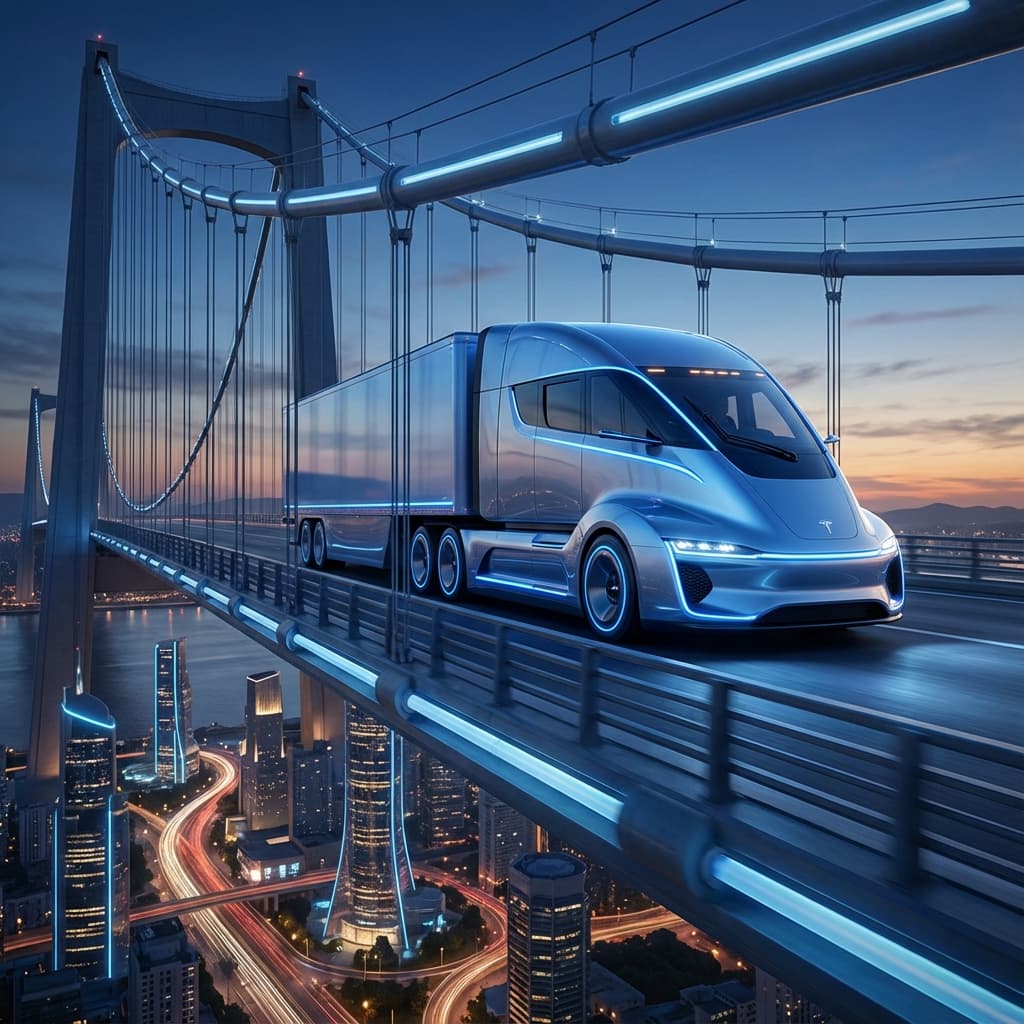
The Convergence of Technology and the Modern Freight Market
The trucking industry is currently navigating a complex intersection of economic volatility and rapid technological advancement. While the freight cycle continues to challenge margins, a new variable has emerged as a primary differentiator between struggling fleets and thriving ones: AI-driven predictive analytics. For the modern motor carrier, technology is no longer just about tracking a trailer; it is about harnessing data to mitigate risk and secure a competitive advantage in the insurance marketplace.
The Shift from Reactive to Predictive Safety
Historically, safety management in trucking was reactive—analyzing accidents after they happened to prevent a recurrence. Today, Artificial Intelligence (AI) integrated with advanced telematics is shifting the paradigm toward predictive safety. By analyzing thousands of data points, including hard braking, rapid acceleration, and even driver fatigue patterns, AI systems can identify high-risk behaviors before they result in a claim.
For insurance providers, this shift is revolutionary. When a carrier can demonstrate that they are actively using predictive tools to intervene in risky driving behavior, they move from being a 'commodity' risk to a 'preferred' risk. This proactive stance is essential for navigating the current 'hard' insurance market, where underwriters are increasingly selective about the fleets they cover.
How AI Influences Underwriting and Premiums
The modern underwriting process is becoming more data-intensive. Carriers who provide transparent, real-time data to their insurance specialists often find themselves in a stronger negotiating position. Here is how AI-driven data impacts your bottom line:
- Precision Risk Scoring: Instead of relying on broad industry averages, underwriters can look at your fleet’s specific performance metrics to determine more accurate premium rates.
- Nuclear Verdict Mitigation: AI-powered dashcams provide exonerating evidence in the event of non-fault accidents, protecting carriers from the rising trend of massive legal settlements.
- Loss Control Efficiency: Automated reporting allows fleet managers to focus their coaching efforts on the 5% of drivers who represent 95% of the risk, drastically reducing the frequency and severity of claims.
Economic Resilience Through Operational Efficiency
In a tight freight market, operational efficiency is synonymous with survival. AI-driven trends are extending beyond safety and into the very core of fleet economics. Route optimization algorithms are now factoring in real-time weather, traffic, and even fuel price fluctuations to maximize the revenue per mile.
Furthermore, predictive maintenance—using AI to monitor engine health and sensor data—prevents costly roadside breakdowns. A truck that stays on the road is a truck that generates revenue, and a carrier that avoids roadside incidents maintains a cleaner CSA score, which directly correlates to lower insurance expenditures over time.
The Strategic Path Forward
Adopting these technologies requires a strategic approach rather than a 'plug-and-play' mindset. To truly leverage the intelligence evolution, motor carriers should focus on three key areas:
1. Data Quality and Integration
Ensure that your telematics, ELDs, and dispatch software are integrated. Siloed data is difficult to analyze and even harder to present to an insurance underwriter as proof of a safety culture.
2. Transparent Culture
Introduce AI tools as a means of driver support rather than surveillance. Emphasize how these tools protect the driver’s CDL and provide evidence of their professionalism on the road.
3. Specialist Collaboration
Work closely with a specialized trucking insurance agency like United Lanes Insurance to ensure that your technological investments are being properly communicated to the insurance markets. Your data is only as valuable as your ability to use it as a bargaining chip during renewals.
Conclusion
The freight market will always be subject to cyclical shifts, but the trend toward data-driven operations is permanent. By embracing AI and predictive analytics, motor carriers can build a more resilient business model that is less susceptible to market volatility and rising insurance costs. In the modern era of logistics, information is just as valuable as the cargo being hauled.
Questions about
this topic?
Our specialists are ready to provide the personalized guidance you need for your specific situation.